
¤ 7 minutes Read
Jantar Mantar
A complete tourist and cultural guide

Jantar Mantar is one of Delhi’s most fascinating historical landmarks, combining science, astronomy, and architecture in a unique setting. Built in 1724 by Maharaja Sawai Jai Singh II, the observatory was designed to study the movement of celestial bodies and improve astronomical calculations. The site features a collection of large geometric instruments used to measure time, predict eclipses, and track the positions of stars and planets. Located in the heart of New Delhi, Jantar Mantar showcases the scientific knowledge and innovation of 18th-century India. Today, it attracts history enthusiasts, students, and travelers interested in exploring one of the country’s most remarkable astronomical observatories.
Built In
1724
Built By
Maharaja Sawai Jai Singh II
Purpose
Astronomical Observations
Monument Type
Observatory
Scientific Focus
Time & Celestial Measurements
Heritage Significance
One of India’s Most Important Scientific Monuments
History of Jantar Mantar
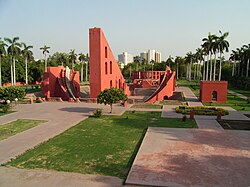
Vision of Maharaja Jai Singh II
Maharaja Sawai Jai Singh II was a Rajput ruler, astronomer, and scholar with a deep interest in celestial observations. He believed that existing astronomical tables contained inaccuracies and sought to improve them through precise measurements.
Construction of the Observatory
In 1724, Jai Singh II commissioned the construction of Jantar Mantar as part of his larger effort to advance astronomical research. The observatory was designed using mathematical principles and featured large-scale instruments capable of making accurate observations.
Part of a Network of Observatories
Delhi’s Jantar Mantar was one of five observatories built by Jai Singh II across India. Similar observatories were established in Jaipur, Ujjain, Varanasi, and Mathura to support astronomical studies.
Scientific Importance
The instruments at Jantar Mantar were used to measure time, determine planetary positions, track celestial movements, and predict astronomical events. These observations contributed to the development of more accurate astronomical calculations.
Transition Through the Centuries
As modern scientific instruments became available, the observatory gradually lost its practical role. However, its historical and scientific value ensured its preservation as an important heritage monument.
Protected Monument Today
Today, Jantar Mantar remains one of India’s most significant scientific heritage sites. Visitors continue to explore the observatory to learn about astronomy, mathematics, and the innovative achievements of 18th-century India.
Architectural & Scientific Features of Jantar Mantar
Jantar Mantar is unlike any other historical monument in Delhi. Instead of palaces, tombs, or fortifications, the site consists of massive astronomical instruments built using stone, brick, and plaster. These structures were carefully designed to perform scientific calculations and observe celestial movements with remarkable accuracy.
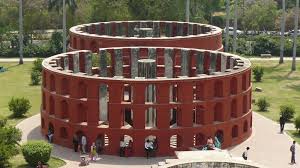
Precision Through Geometry
The instruments were designed using advanced geometric principles. Angles, curves, and alignments were carefully calculated to measure celestial positions and track the movement of the sun and planets.
Scientific Innovation of the 18th Century
Jantar Mantar demonstrates the advanced scientific knowledge available in India during the 18th century. The observatory reflects a period when astronomy, mathematics, and architecture worked together to advance scientific understanding.
Unique Astronomical Architecture
The observatory features large geometric structures that combine architectural design with scientific functionality. Each instrument was built for a specific astronomical purpose, making the entire complex a blend of mathematics, engineering, and astronomy.
Use of Stone & Masonry
Unlike portable scientific devices, the instruments at Jantar Mantar were constructed on a monumental scale using durable materials. Their large size helped improve the accuracy of astronomical observations.
Open-Air Observatory Design
The observatory was intentionally built in an open environment to allow unobstructed views of the sky. This design enabled astronomers to conduct observations throughout the year.
Major Instruments at Jantar Mantar
The main attraction of Jantar Mantar is its collection of massive astronomical instruments. Each structure was designed for a specific scientific purpose, helping astronomers observe celestial bodies, measure time, and calculate astronomical events with impressive accuracy.
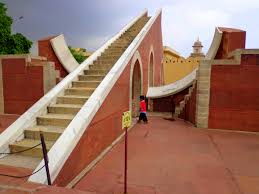
Samrat Yantra
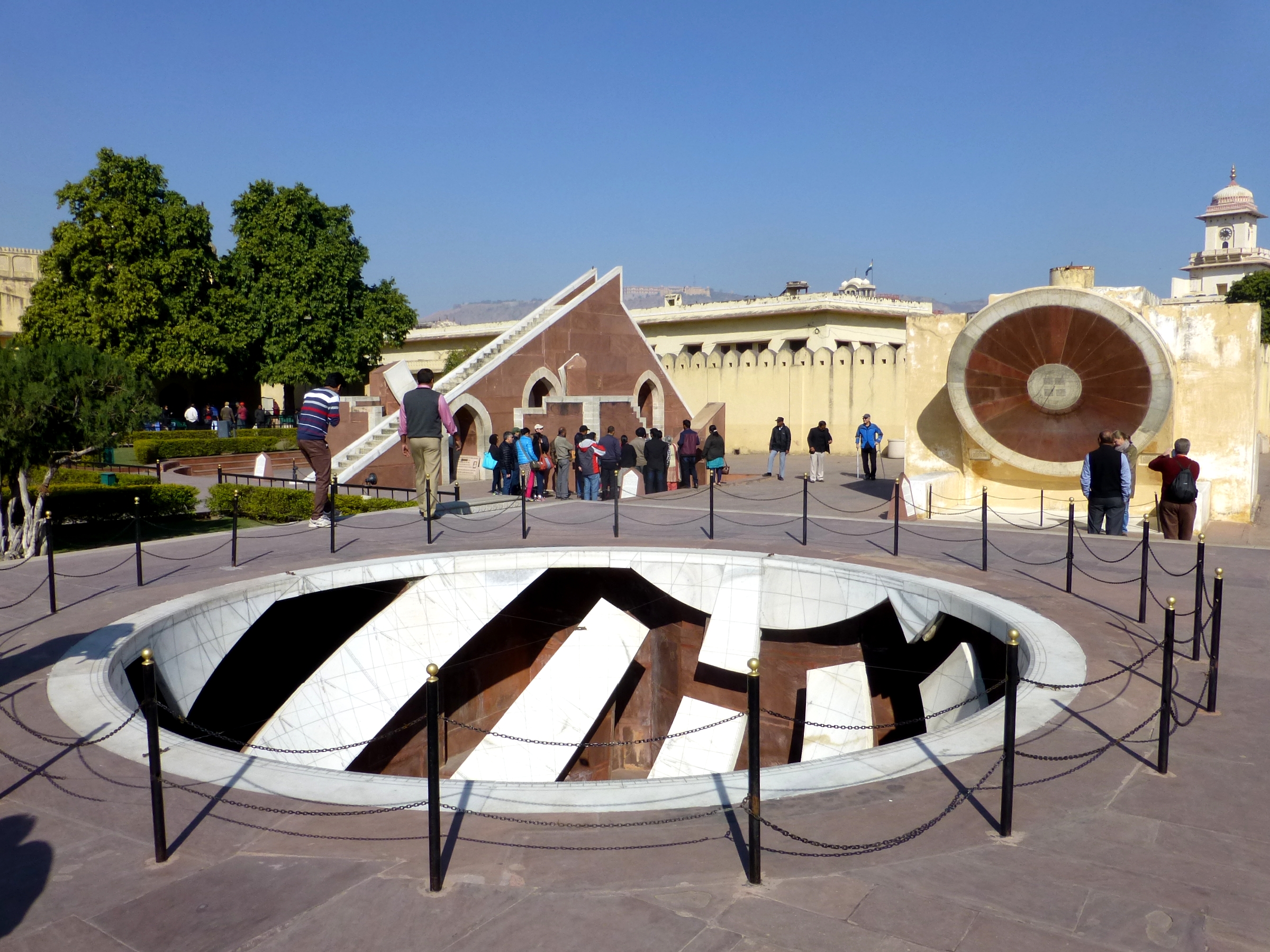
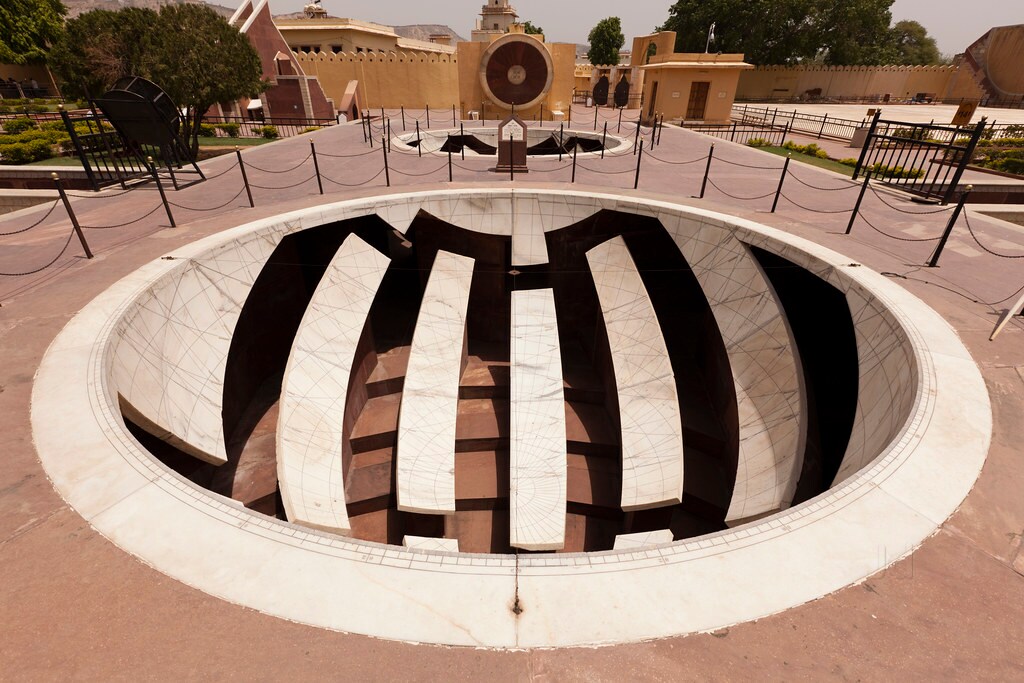
Jai Prakash Yantra
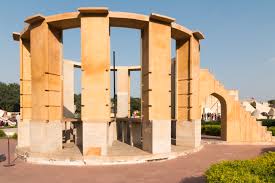
Rama Yantra
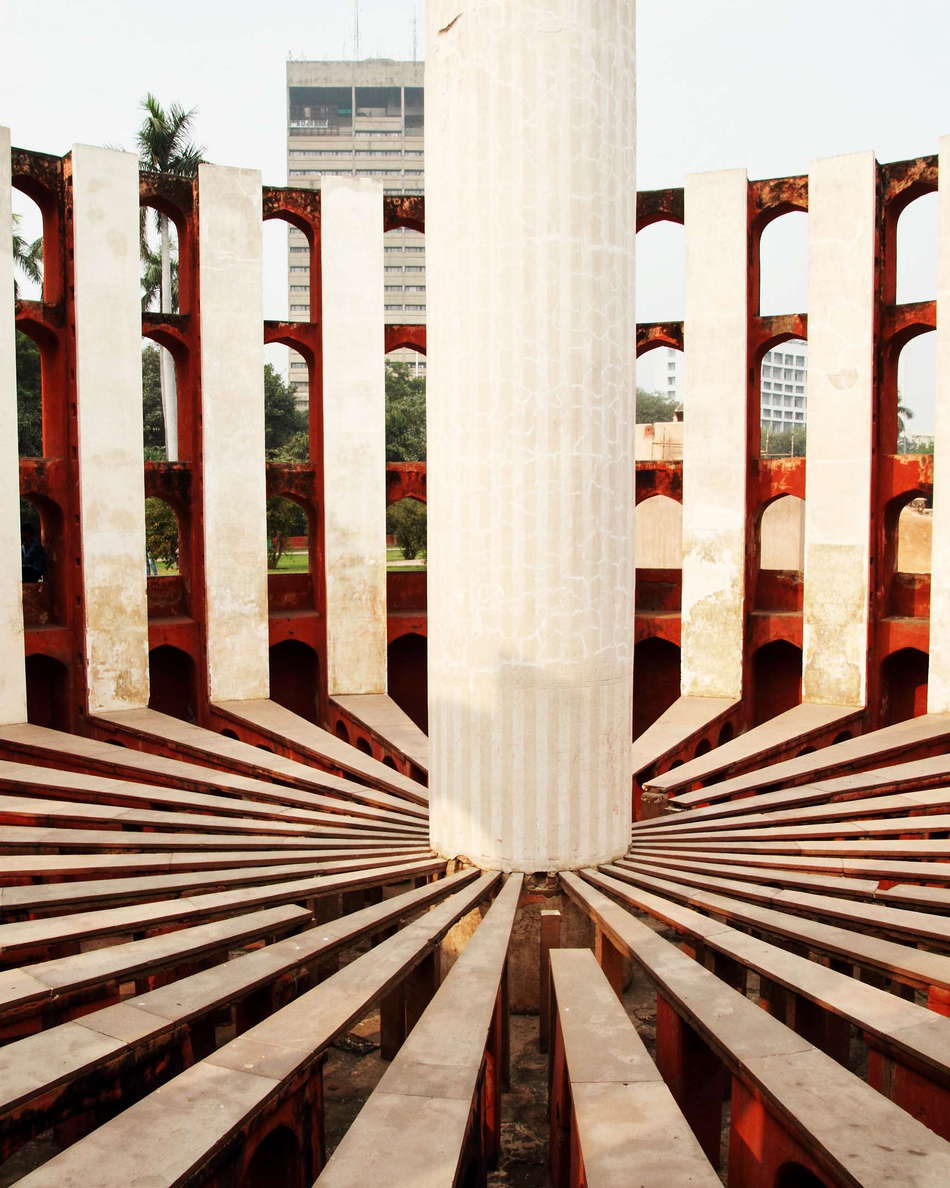
Misra Yantra
Interesting Facts About Jantar Mantar
Jantar Mantar is one of the most unique heritage attractions in India because it combines science, mathematics, and architecture. The observatory continues to amaze visitors with its innovative design and historical importance.
- One of Five Jantar Mantars
- Built Without Modern Technology
- Home to a Giant Sundial
- Combines Science & Architecture
- Inspired by Global Astronomy
- More Than 300 Years Old
- Located in the Heart of New Delhi
- Popular Among Students & Researchers
Heritage of Varanasi

Nearby Attractions Around Jantar Mantar
Jantar Mantar is located in the heart of New Delhi, making it easy to explore several iconic landmarks, cultural attractions, and shopping destinations nearby. Visitors can combine these attractions to create a full day of sightseeing in the capital.
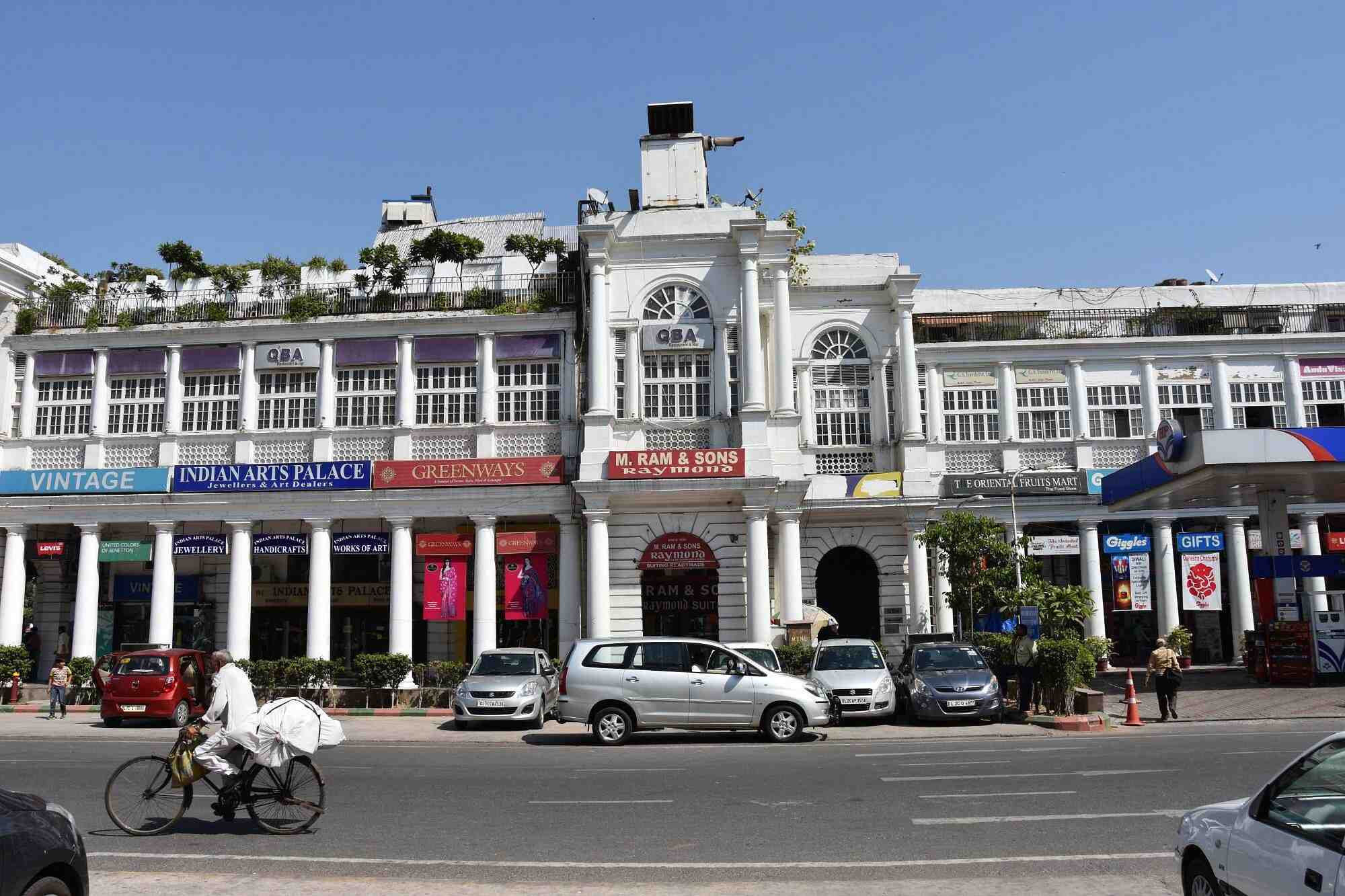
Connaught Place
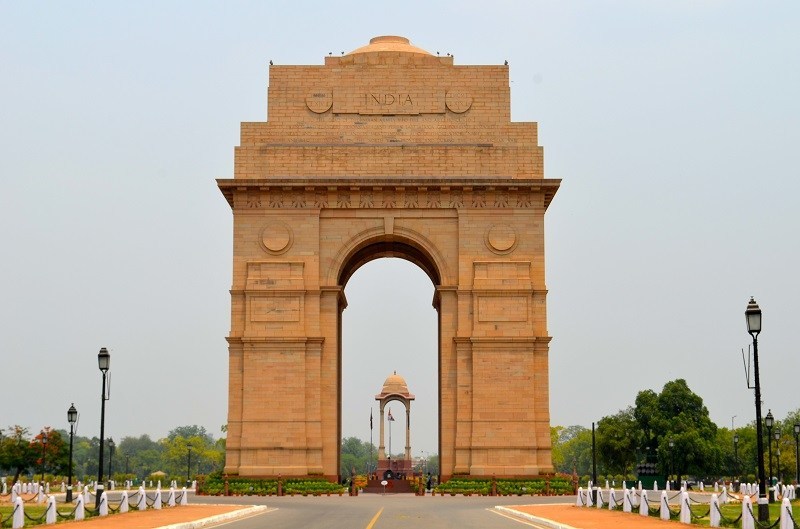
India Gate

National Museum

Rashtrapati Bhavan
Conclusion
Jantar Mantar stands as a remarkable symbol of India’s scientific and astronomical achievements. Built by Maharaja Sawai Jai Singh II in the 18th century, the observatory showcases an extraordinary blend of mathematics, astronomy, engineering, and architecture. Its massive instruments, innovative design, and historical significance offer visitors a unique perspective on how celestial observations were conducted centuries ago. Whether you are a student, history enthusiast, science lover, or curious traveler, Jantar Mantar provides an engaging and educational experience, making it one of Delhi’s most distinctive heritage attractions.
Explore Delhi
Varanasi Blogs
- Uttar Pradesh Cultural guide
- Places to visit in Varanasi
- Places to visit nearby Varanasi
- India’s most popular destination
- India’s archaeological marvels
Recommended articles
- Uttar Pradesh Cultural guide
- Places to visit in Varanasi
- Places to visit nearby Varanasi
- India’s most popular destination