Places to Visit in Jammu: Exploring Temples, Heritage, Culture & Scenic Landscapes
Jammu, often known as the “City of Temples,” is one of the most important cultural and spiritual destinations in Jammu & Kashmir. Nestled along the banks of the Tawi River, the city is renowned for its ancient temples, historic forts, royal heritage, vibrant markets, and scenic surroundings. Serving as the gateway to the Himalayas and the revered Vaishno Devi pilgrimage, Jammu attracts millions of pilgrims and travelers every year. From iconic attractions such as Bahu Fort, Raghunath Temple, Mubarak Mandi Palace, Amar Mahal Museum, and Bagh-e-Bahu to nearby spiritual and natural destinations, the city offers a rich blend of history, devotion, architecture, and local culture. This guide highlights the best places to visit in Jammu, covering religious landmarks, heritage sites, cultural attractions, scenic viewpoints, and unforgettable travel experiences in the region.
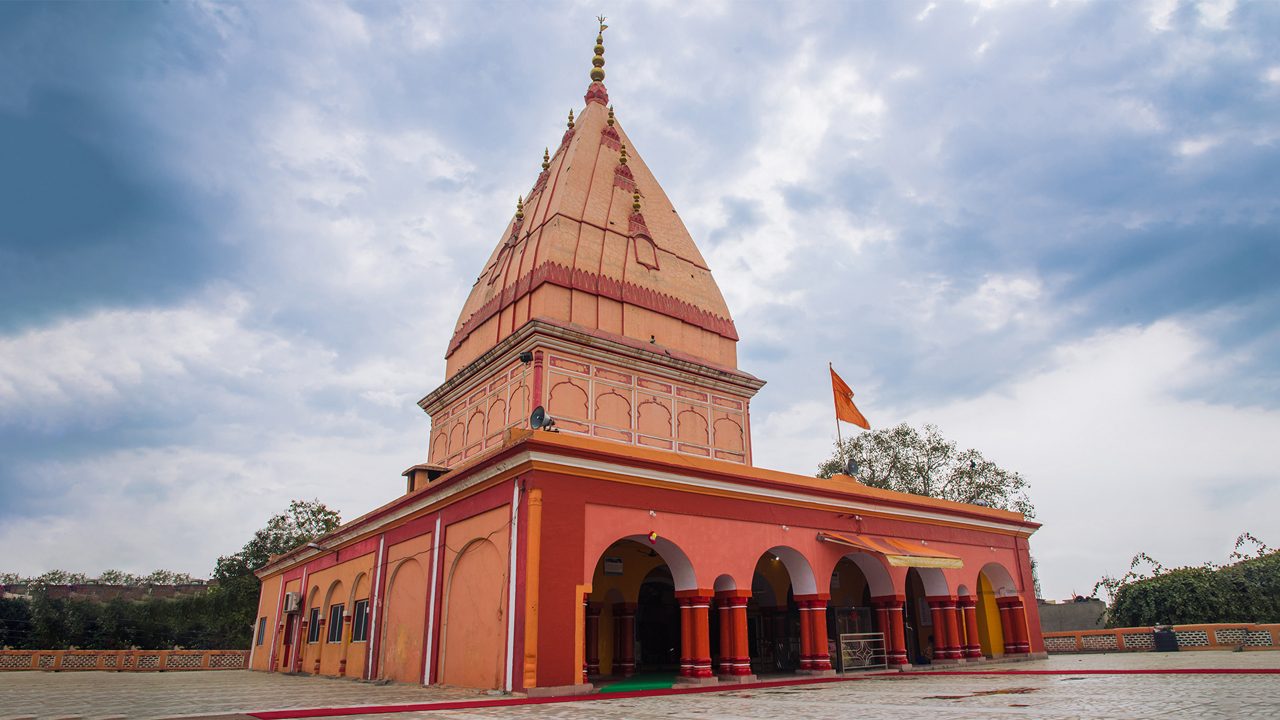
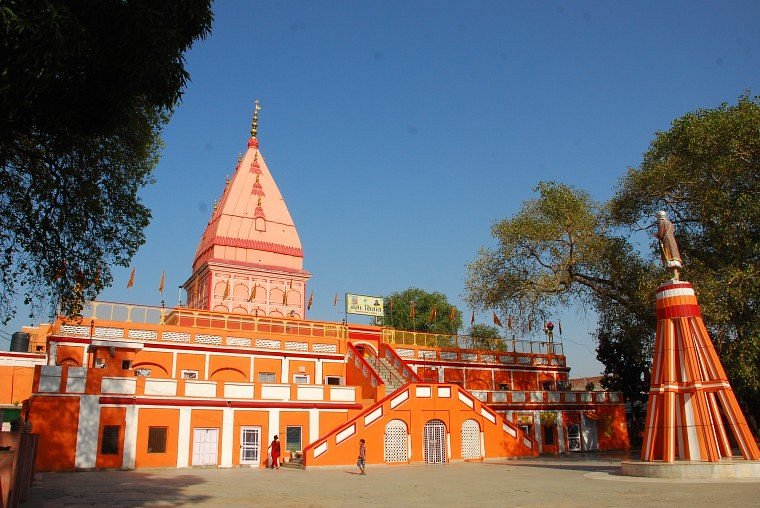
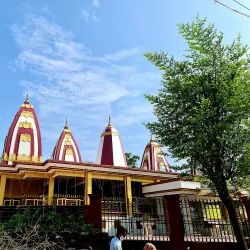
Raghunath Temple
A sprawling and iconic temple complex in the heart of Jammu city, dedicated to Lord Rama. Its inner sanctums are lavishly adorned with gold leaf, and its walls are covered with hundreds of sacred saligrams.
As one of the largest temple complexes in North India, it is a central hub of devotion and architectural splendor for pilgrims and visitors alike.
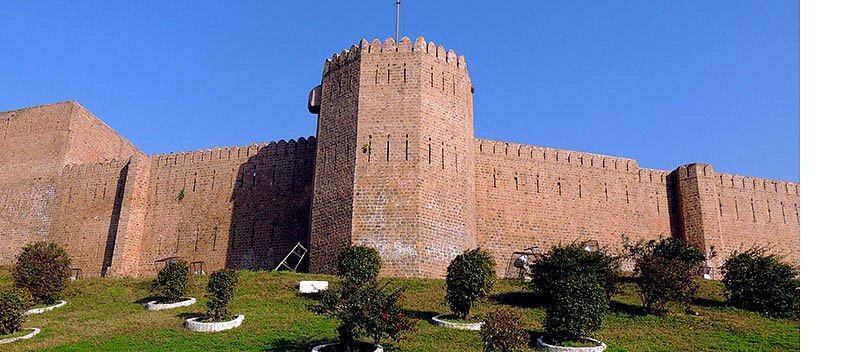
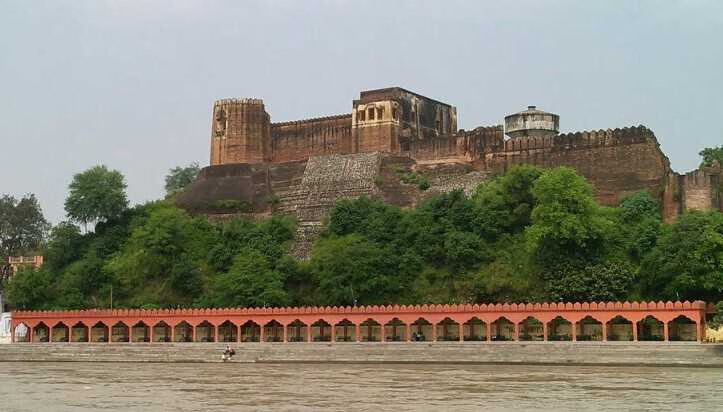
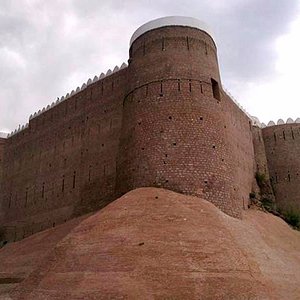
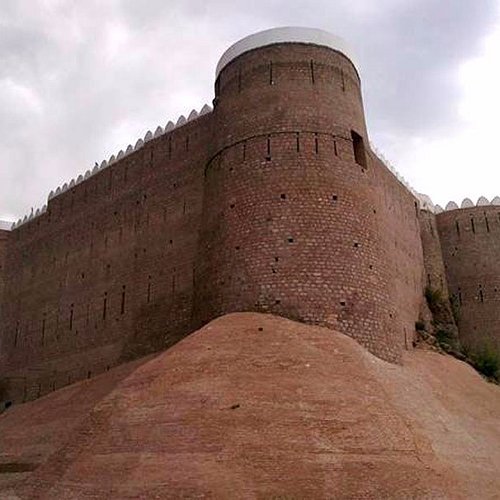
One of Jammu’s oldest forts, perched on a rock, overlooking the Tawi River, with beautifully terraced gardens.
Mahamaya Temple
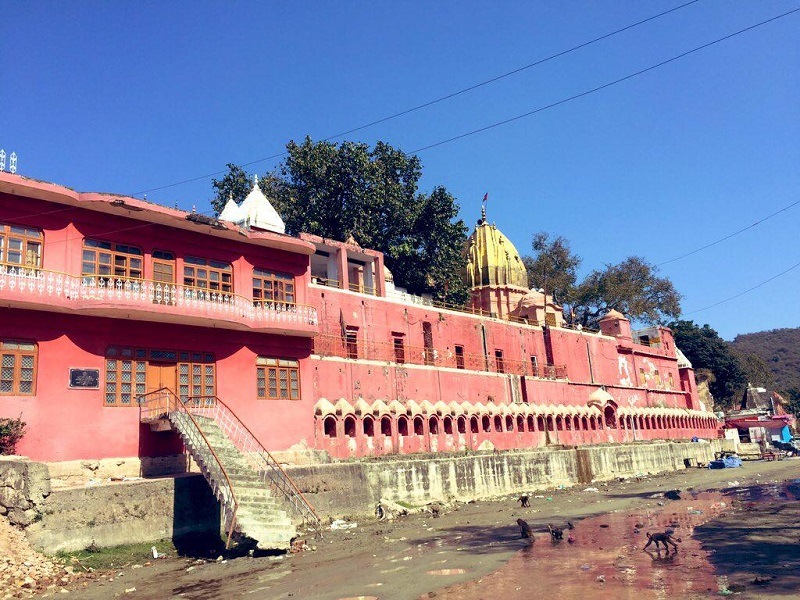
Situated on the banks of the Tawi River, this temple is dedicated to a local heroine who fought foreign invaders.
Amar Mahal Palace Museum
A former palace built like a French chateau, now a museum showcasing the Dogra dynasty’s heritage.
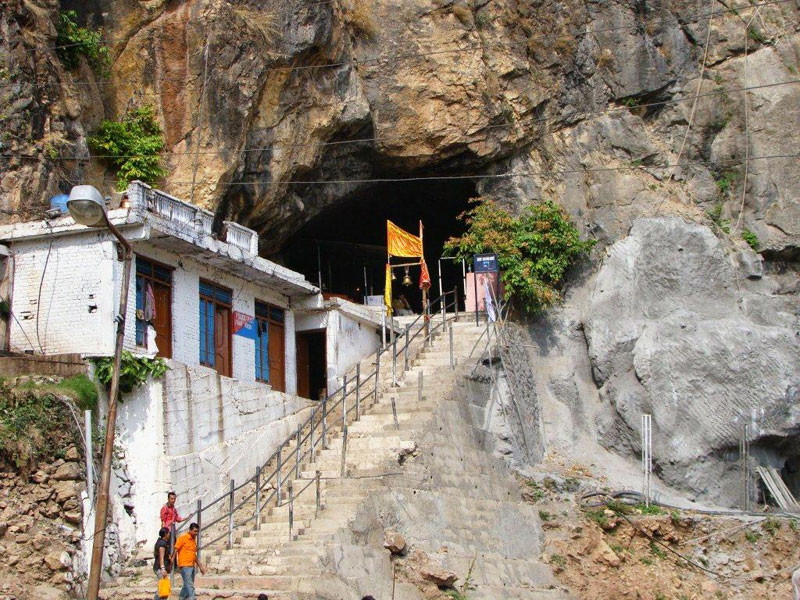
Peer Kho Cave Temple
An ancient cave temple dedicated to Lord Shiva, located on the bank of the Tawi River, believed to date back to the Mahabharata era.
Mubarak Mandi Palace
The historic royal residence of the Dogra kings, showcasing a grand fusion of Rajasthani, Mughal, and European architectural styles. Its most notable section is the Pink Hall, which once hosted splendid royal durbars.
Now housing government offices and a museum, the palace stands as a majestic testament to Jammu’s regal past.
Ranbireshwar Temple
Renowned as one of the largest Shiva temples in northern India, housing a massive collection of crystal and stone Shivlings. The central shrine features a towering 7.5-foot high crystal Shivling, drawing devotees from far and wide.
Its grand structure and spiritual significance make it a paramount site for Shaivite worship in the region.
Dogra Art Museum
Houses an extensive collection of rare Pahari miniatures, sculptures, and historical documents of the Jammu region.
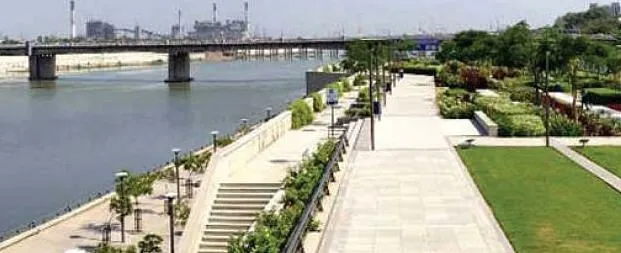
Tawi Riverfront
A scenic urban promenade along the Tawi River, popular for evening strolls and beautiful city views.
Sheesh Mahal
A charming garden with a palace featuring stunning mirror work, fountains, and a small zoo.
Panch Mandir
A unique and historic temple complex in Jammu city, distinguished by its cluster of five distinct shrines dedicated to various deities under one roof. Its name, meaning “Five Temples,” reflects its unified architectural design.
This sacred site offers a serene and collective spiritual experience for devotees within a single visit.
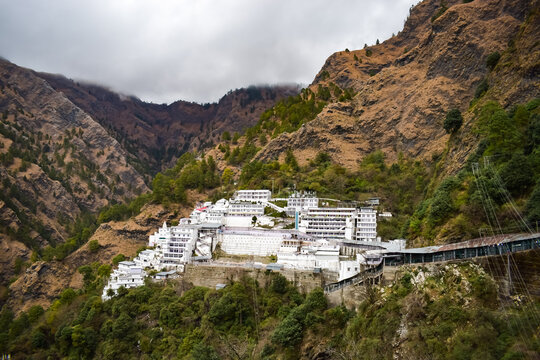
Vaishno Devi
One of the world’s most revered and visited Hindu pilgrimage sites, located atop the Trikuta Mountains near Katra. The shrine is dedicated to Goddess Vaishno Devi, residing in the form of natural rock formations (Pindis) inside a holy cave.
The arduous yet spiritually uplifting journey of approximately 13 kilometers is undertaken by millions of devotees each year.
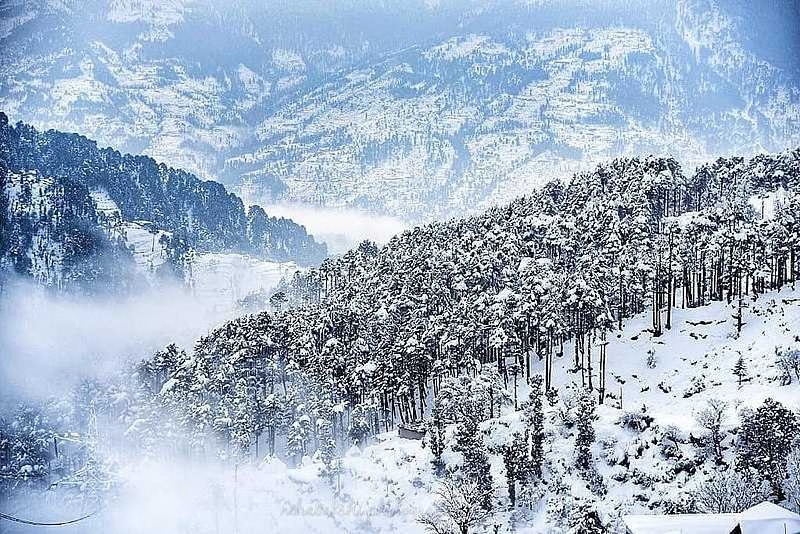
Patnitop
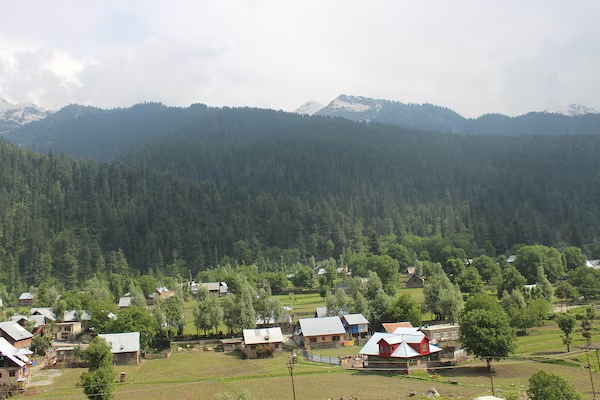
A picturesque hill station offering serene meadows, panoramic views of the Himalayas, and adventure activities.
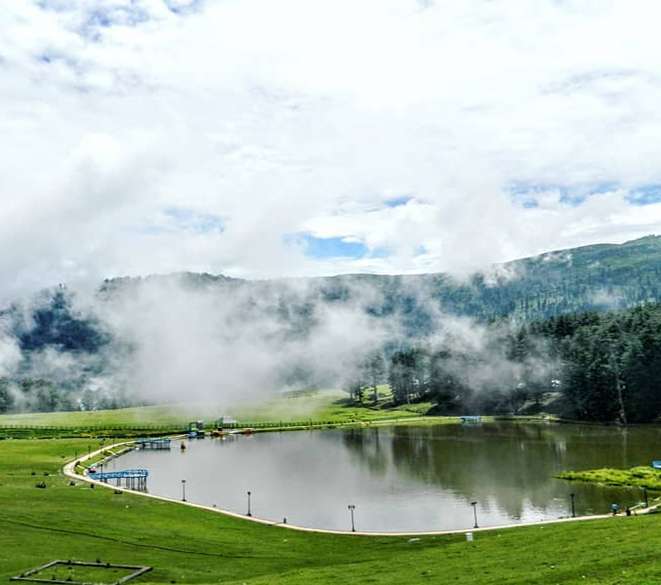
Sanasar
A quiet hill station known as a hub for paragliding, with a beautiful lake and lush green golf course.
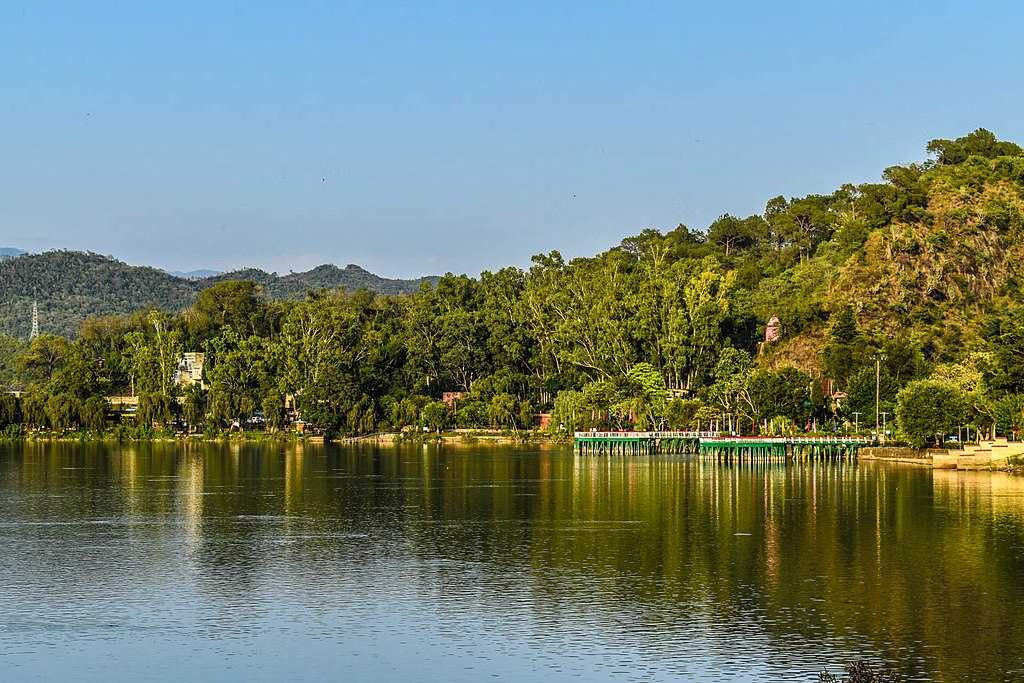
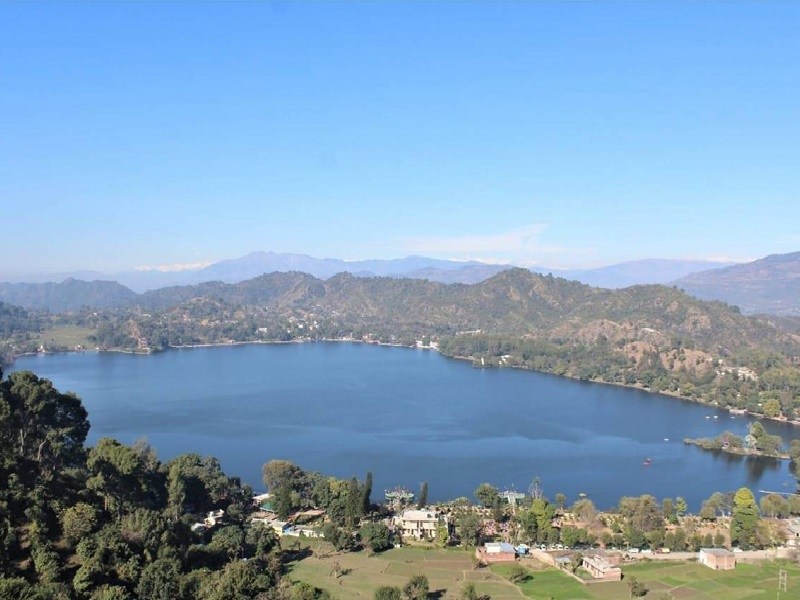
Mansar Lake
A holy lake surrounded by forested hills, fringed with temples and popular for family picnics and boating.
Surinsar Lake
A twin to Mansar Lake, steeped in mythological legends, and a designated Ramsar wetland site rich in biodiversity.
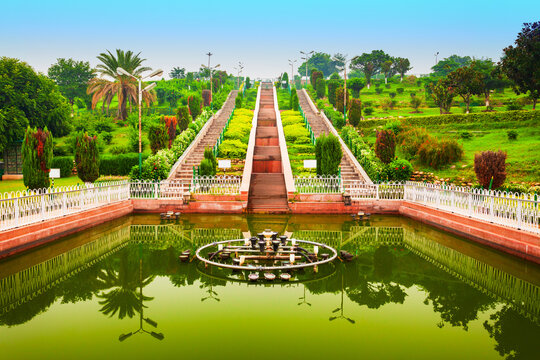
Bagh-e-Bahu
A beautifully terraced garden situated adjacent to the ancient Bahu Fort, offering panoramic views of the Tawi River and Jammu city.
Modeled on the traditional Mughal-style gardens, it features cascading fountains, lush lawns, and vibrant flower beds. This tranquil spot is a popular leisure destination for both locals and tourists.
Shiv Khori
A famous natural cave shrine dedicated to Lord Shiva, featuring a self-formed 4-foot long lingam and intricate formations.
Dera Baba Banda
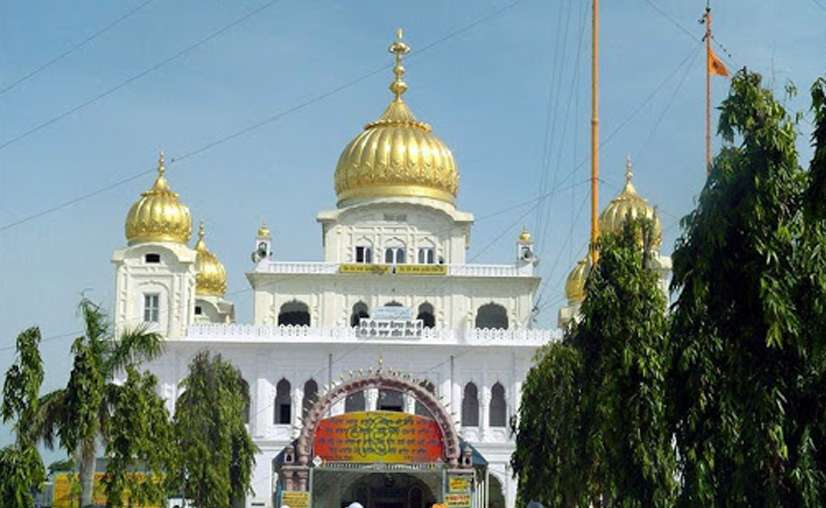
A historical gurudwara and fort located on the bank of the Chenab River, built by a famous Sikh commander.
Purmandal
Known as the ‘Chhota Kashi’, this temple town on the Devika River is an important pilgrimage site for Hindus.
Udhampur
A major city and district headquarters nestled in the Shivalik hills, serving as an important transit point en route to Kashmir. It is historically significant as the site of the Ramnagar Fort and the revered Dera of Baba Banda Bahadur.
The surrounding landscapes offer scenic beauty and access to nearby attractions like Patnitop.
Jhajjar Kotli
Jhajjar Kotli is a popular natural picnic spot located about 35 km from Jammu city, where the Jhajjar stream cascades over rocky boulders creating serene pools and small waterfalls.
Surrounded by dense forests and lush greenery, it offers a refreshing escape ideal for family outings, photography, and enjoying the tranquility of nature.