
¤ 7 minutes Read
Rashtrapati Bhavan
A complete tourist and cultural guide
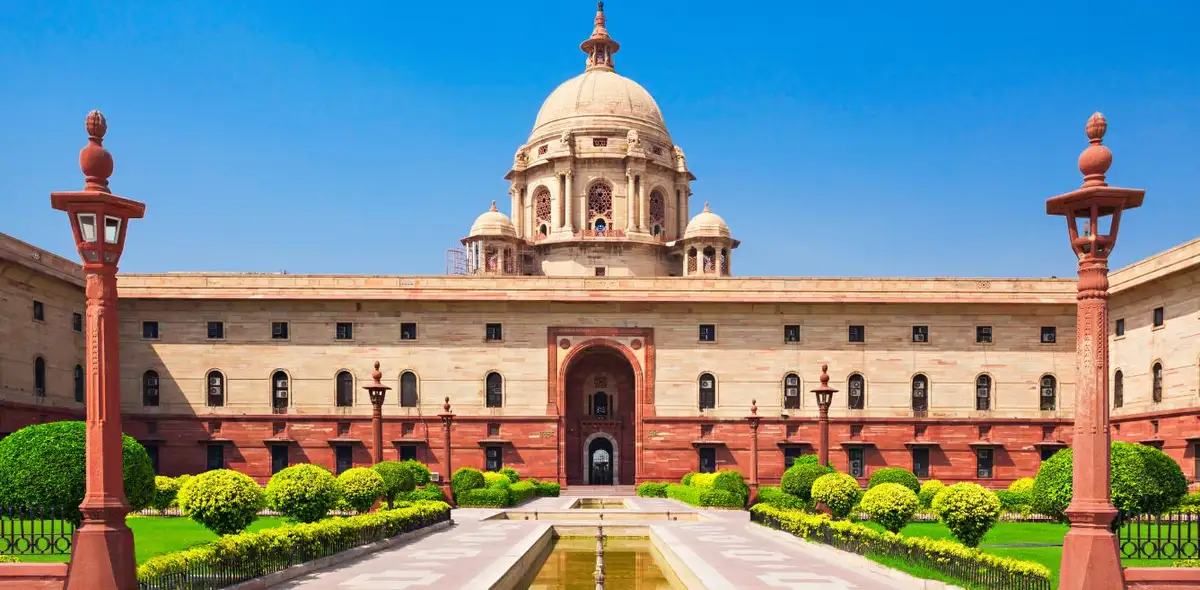
Rashtrapati Bhavan is one of India’s most iconic landmarks and serves as the official residence of the President of India. Located atop Raisina Hill in New Delhi, this magnificent building is renowned for its grand architecture, vast estate, and historical importance. Designed by British architect Edwin Lutyens, Rashtrapati Bhavan was originally built as the residence of the Viceroy of India during British rule. The complex combines classical European design with traditional Indian architectural elements, creating a unique and impressive structure. Surrounded by beautifully landscaped gardens, ceremonial spaces, and historic halls, Rashtrapati Bhavan stands as a symbol of India’s democratic heritage and architectural excellence.
Construction Began
1912
Completed
1929
Architect
Edwin Lutyens
Original Purpose
Residence of the Viceroy of India
Became Rashtrapati Bhavan
1950
Significance
Official Residence of the President of India
History of Rashtrapati Bhavan
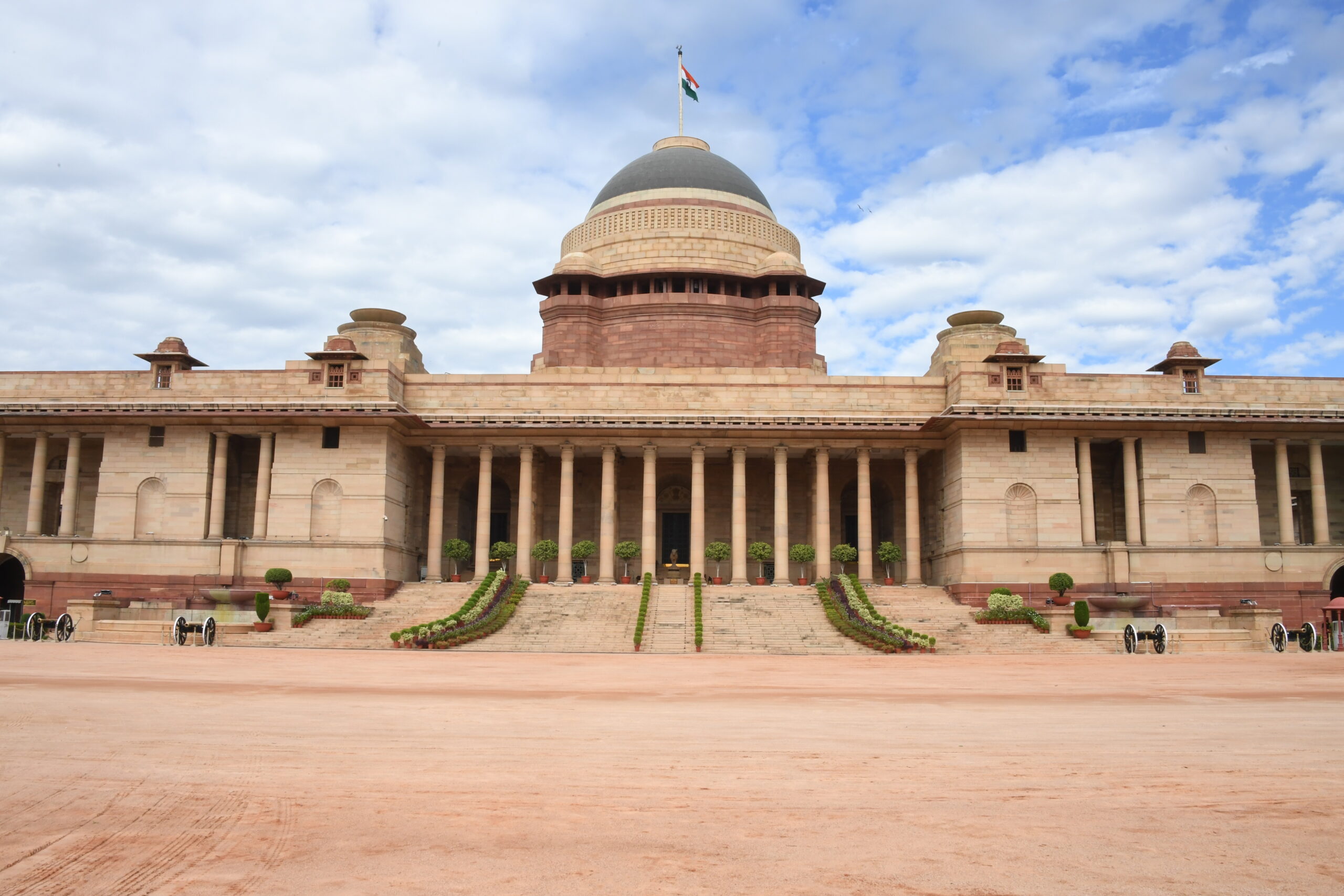
The Decision to Build a New Capital
In 1911, the British government announced the transfer of India’s capital from Kolkata to Delhi. As part of this plan, a new administrative city was designed, including a grand residence for the Viceroy of India.
Designed by Edwin Lutyens
Edwin Lutyens was appointed to design the building that would later become Rashtrapati Bhavan. His vision combined classical European architecture with elements inspired by Indian art and design traditions.
Construction of the Monument
Construction began in 1912 and took nearly two decades to complete. Thousands of workers and artisans contributed to the project, creating one of the largest official residences in the world.
Residence of the Viceroy
Upon completion in 1929, the building served as the residence of the British Viceroy, who represented the British Crown in India.
Transformation After Independence
Following India’s independence in 1947, the building became the official residence of the Governor-General. In 1950, when India became a republic, it was officially renamed Rashtrapati Bhavan and became the residence of the President of India.
A National Symbol Today
Today, Rashtrapati Bhavan stands as a symbol of India’s democracy, governance, and national identity. It hosts important state ceremonies, official events, and visits by world leaders.
Architecture of Rashtrapati Bhavan
Rashtrapati Bhavan is widely regarded as one of the finest architectural landmarks in India. Designed by Edwin Lutyens, the building seamlessly blends classical European design with traditional Indian architectural elements. Its massive scale, elegant proportions, and intricate detailing make it one of the most impressive presidential residences in the world.
Grand Central Dome
The most recognizable feature of Rashtrapati Bhavan is its magnificent central dome, which dominates the skyline of Raisina Hill. Inspired by both classical and Indian architectural traditions, the dome serves as the focal point of the entire complex.
Blend of Indian & European Styles
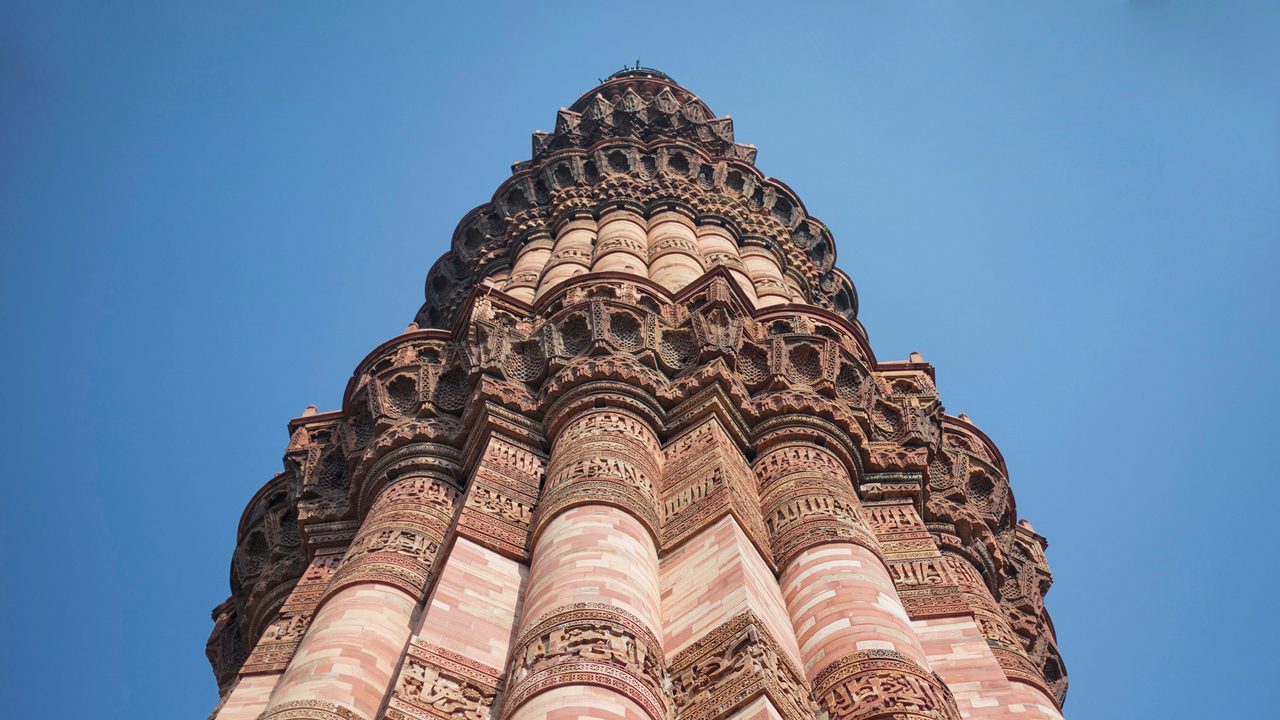
The building combines European symmetry and planning with Indian motifs such as chhatris, jaalis, and decorative carvings. This fusion creates a distinctive architectural identity that reflects India’s cultural heritage.
Extensive Use of Sandstone
Rashtrapati Bhavan was constructed primarily using red and cream sandstone, giving the structure its elegant and timeless appearance. The stonework contributes significantly to its grandeur.
Impressive Columns & Facades
The building features long colonnades, ornate facades, and beautifully proportioned arches. These architectural elements enhance both its visual appeal and monumental character.
Vast Presidential Estate
The Rashtrapati Bhavan estate covers hundreds of acres and includes ceremonial spaces, courtyards, gardens, staff residences, and administrative buildings, making it far more than just a residence.
Symbolic Design Elements
Many decorative details within the structure incorporate Indian cultural themes and symbols, reflecting the country’s rich artistic traditions and historical influences.
Things to See at Rashtrapati Bhavan
Rashtrapati Bhavan is much more than the official residence of the President of India. The vast estate features impressive halls, museums, ceremonial spaces, gardens, and architectural landmarks that showcase the nation’s history, culture, and governance.
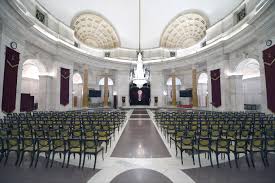
Durbar Hall
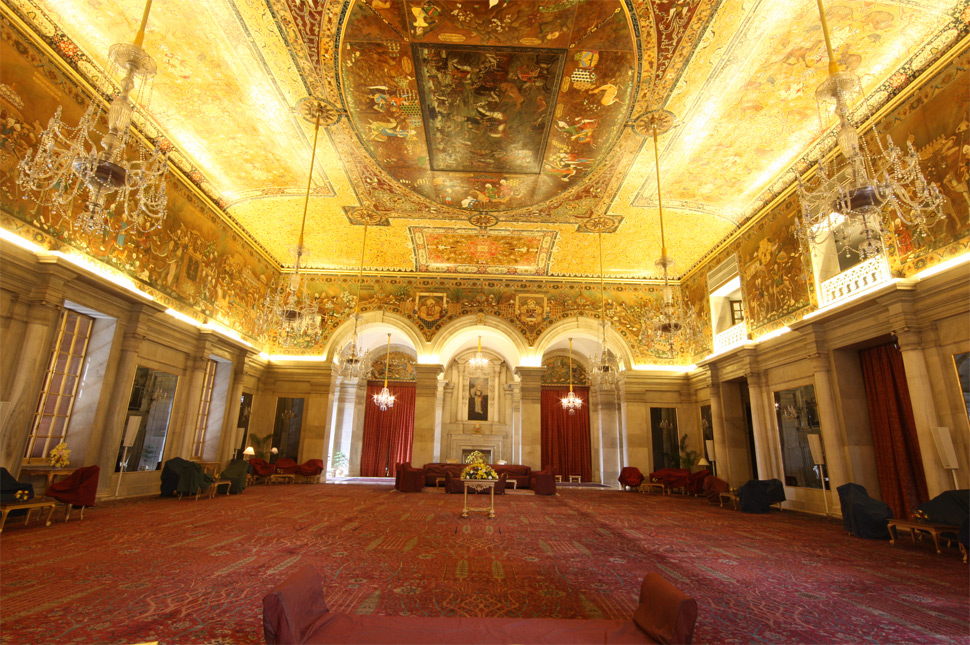
Ashoka Hall
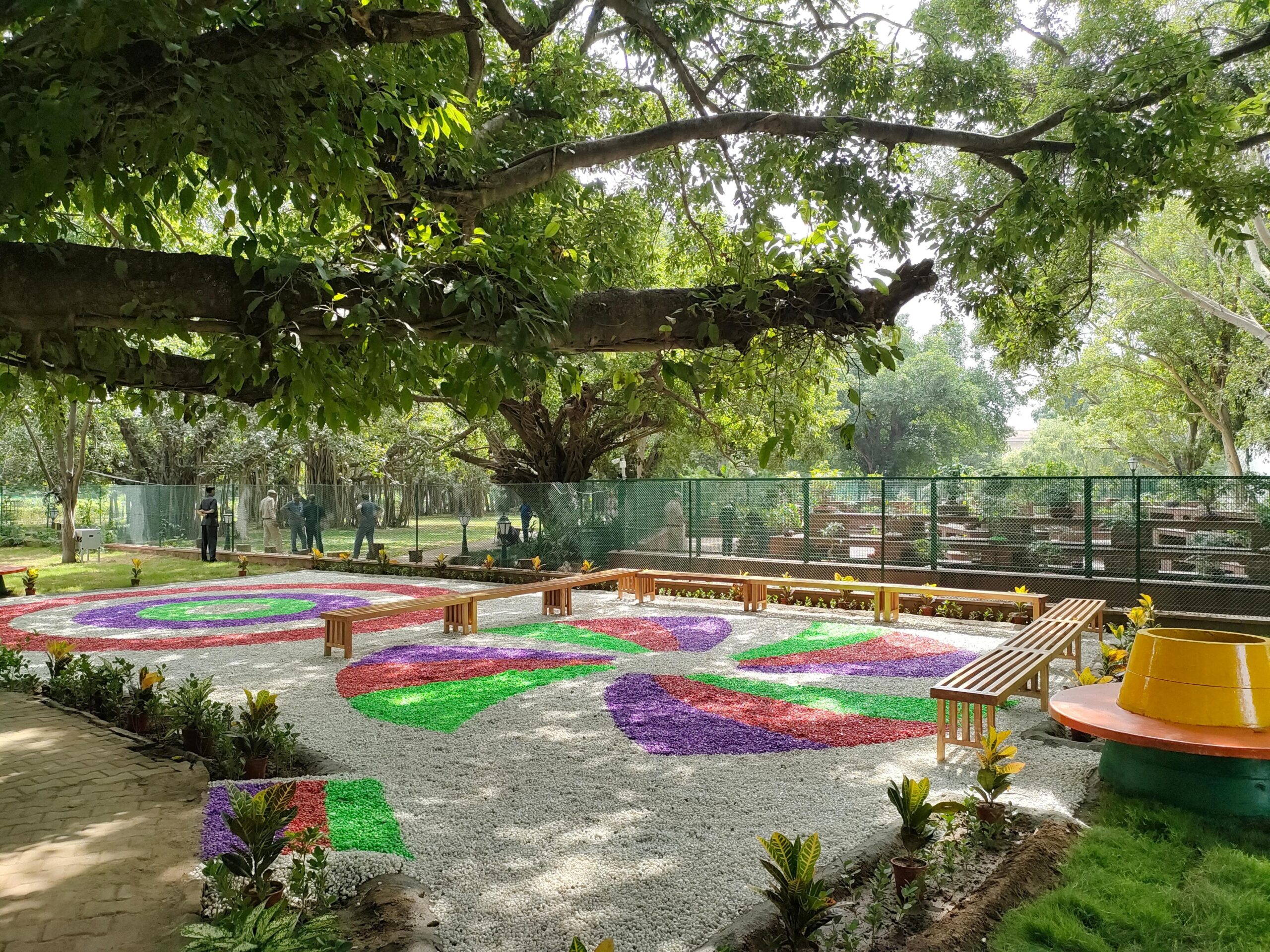
Mughal Gardens (Amrit Udyan)
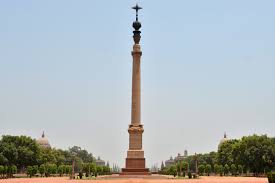
Jaipur Column

Interesting Facts About Rashtrapati Bhavan
Rashtrapati Bhavan is one of the most prestigious government buildings in the world. Beyond its role as the residence of the President of India, the monument is known for its remarkable architecture, fascinating history, and impressive scale.
- One of the Largest Presidential Residences
- Originally Built for the Viceroy
- Took Nearly Two Decades to Complete
- Designed by Edwin Lutyens
- Home to Hundreds of Rooms
- Famous for Its Gardens
- Hosts Major National Ceremonies
- Symbol of Indian Democracy
Nearby Attractions Around Rashtrapati Bhavan
Rashtrapati Bhavan is located in the heart of New Delhi and is surrounded by several iconic landmarks, government buildings, museums, and cultural attractions. Visitors can easily combine these destinations to create a memorable sightseeing experience.
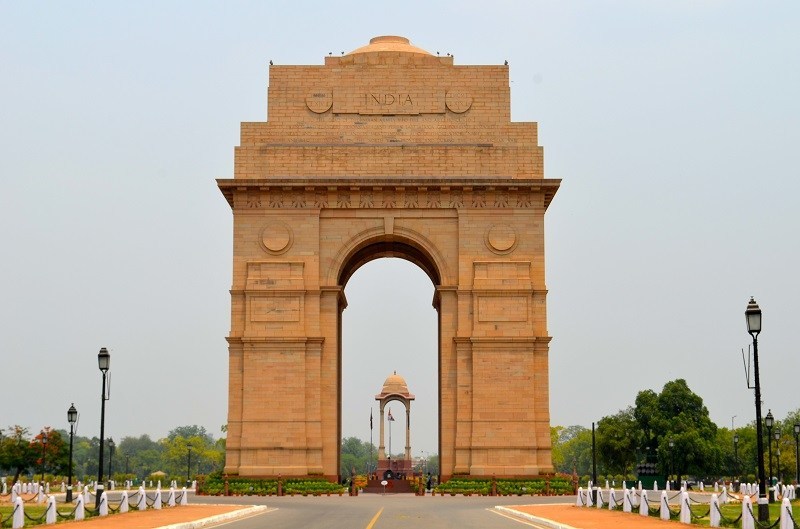
India Gate

National Museum

Jantar Mantar
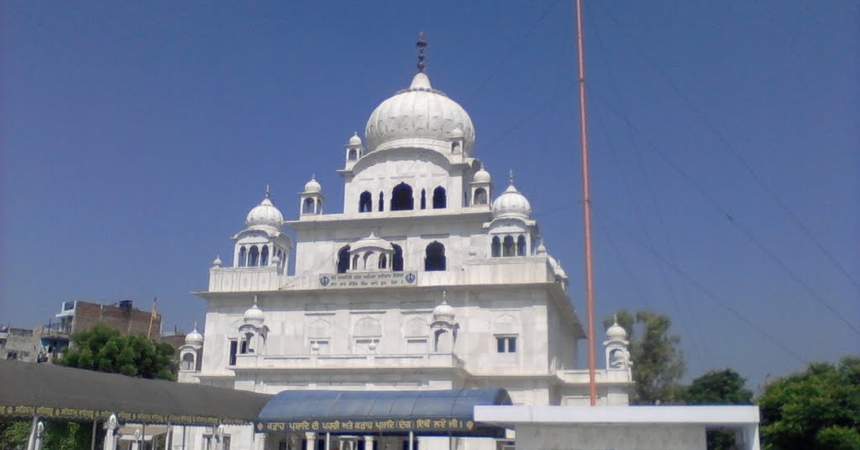
Gurudwara Bangla Sahib
Conclusion
Rashtrapati Bhavan is more than just the official residence of the President of India—it is a symbol of the nation’s history, democracy, and architectural excellence. With its grand design, magnificent halls, beautifully landscaped gardens, and rich historical legacy, the monument offers visitors a unique glimpse into India’s political and cultural heritage. Whether you are interested in history, architecture, governance, or photography, Rashtrapati Bhavan provides an enriching and memorable experience. As one of New Delhi’s most iconic landmarks, it continues to stand as a proud representation of India’s journey from colonial rule to a modern democratic republic.
Explore Delhi
Varanasi Blogs
- Uttar Pradesh Cultural guide
- Places to visit in Varanasi
- Places to visit nearby Varanasi
- India’s most popular destination
- India’s archaeological marvels
Recommended articles
- Uttar Pradesh Cultural guide
- Places to visit in Varanasi
- Places to visit nearby Varanasi
- India’s most popular destination