
¤ 7 minutes Read
Satpula Bridge
A complete tourist and cultural guide
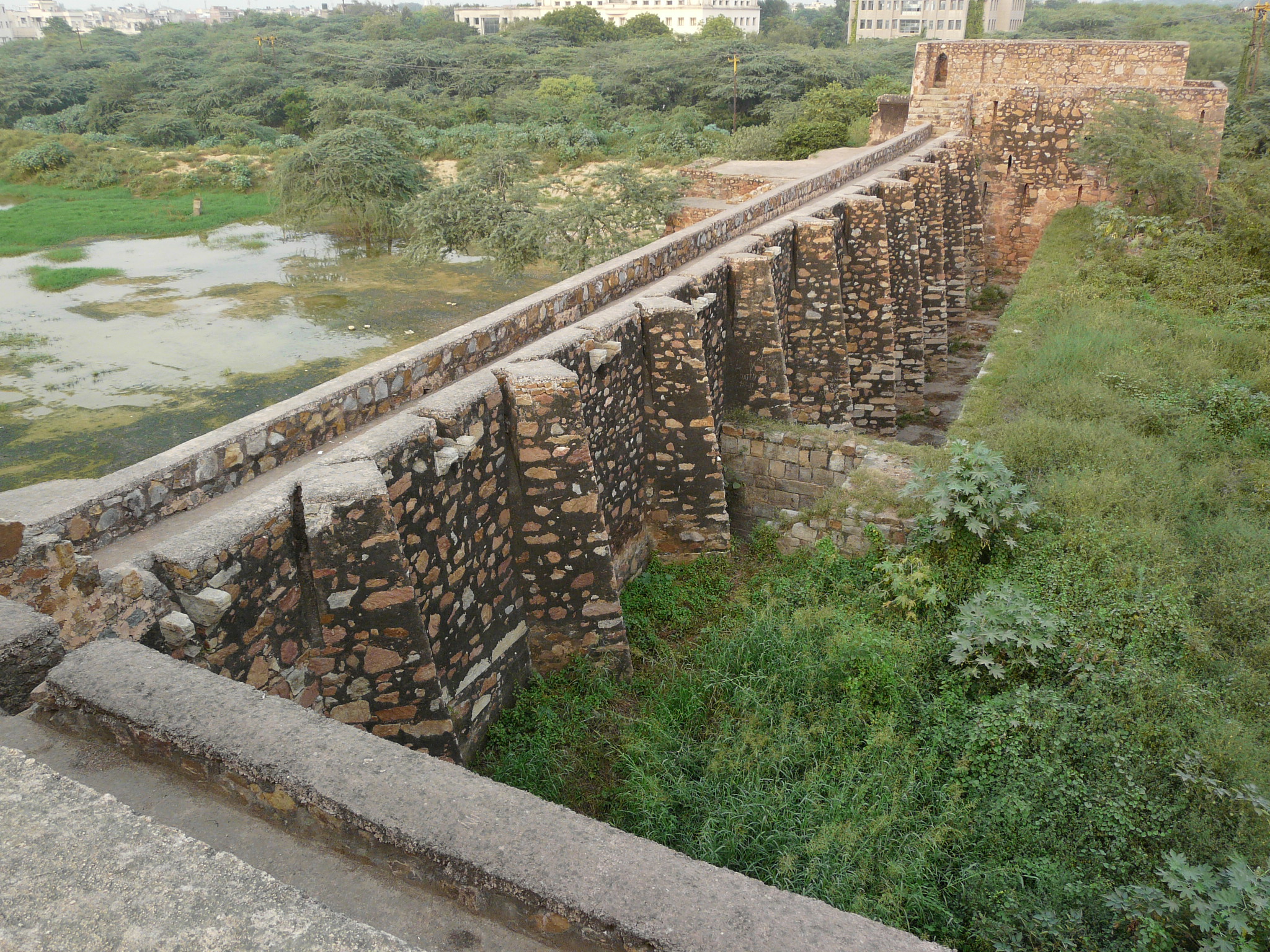
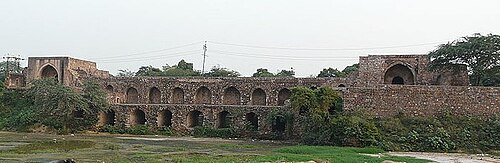
Satpula Bridge is a historic medieval structure in South Delhi that reflects the engineering brilliance of the Delhi Sultanate. Built during the 14th century by Sultan Muhammad bin Tughlaq, the bridge served as both a crossing and a water reservoir, making it an important part of the city’s water management system. Its name, “Satpula,” means “Seven Bridges,” referring to its original seven arches. Although parts of the structure have weathered over time, it continues to showcase the advanced engineering techniques of the Tughlaq era. A visit to Satpula Bridge offers a fascinating glimpse into Delhi’s medieval history and architectural heritage.
History of Satpula Bridge
Satpula Bridge is one of Delhi’s important medieval monuments, dating back to the 14th century during the reign of the Tughlaq dynasty. It was built by Sultan Muhammad bin Tughlaq as part of an innovative water management system. Besides serving as a bridge, the structure also functioned as a dam, helping store and regulate water for the surrounding areas.
- Built: 14th Century (c. 1328–1330 CE)
- Built By: Sultan Muhammad bin Tughlaq
- Dynasty: Tughlaq Dynasty
- Location: South Delhi
- Original Purpose: Bridge and Water Reservoir
Construction During the Tughlaq Era
Satpula Bridge was constructed during the rule of Sultan Muhammad bin Tughlaq to improve connectivity while supporting the city’s water supply through an advanced hydraulic system.
A Unique Water Management Structure
Unlike ordinary bridges, Satpula was designed with sluice gates that helped control the flow of water and create a reservoir for nearby settlements.
Part of Medieval Delhi
The bridge played an important role in the infrastructure of medieval Delhi and demonstrated the engineering expertise of the Tughlaq rulers.
Protected Heritage Monument
Today, Satpula Bridge is protected by the Archaeological Survey of India (ASI) and stands as a reminder of Delhi’s rich architectural and engineering heritage.
Things to See at Satpula Bridge
Satpula Bridge offers visitors a chance to explore one of Delhi’s finest examples of medieval engineering. Its historic structure, architectural features, and peaceful surroundings make it a worthwhile stop for history enthusiasts and photographers.
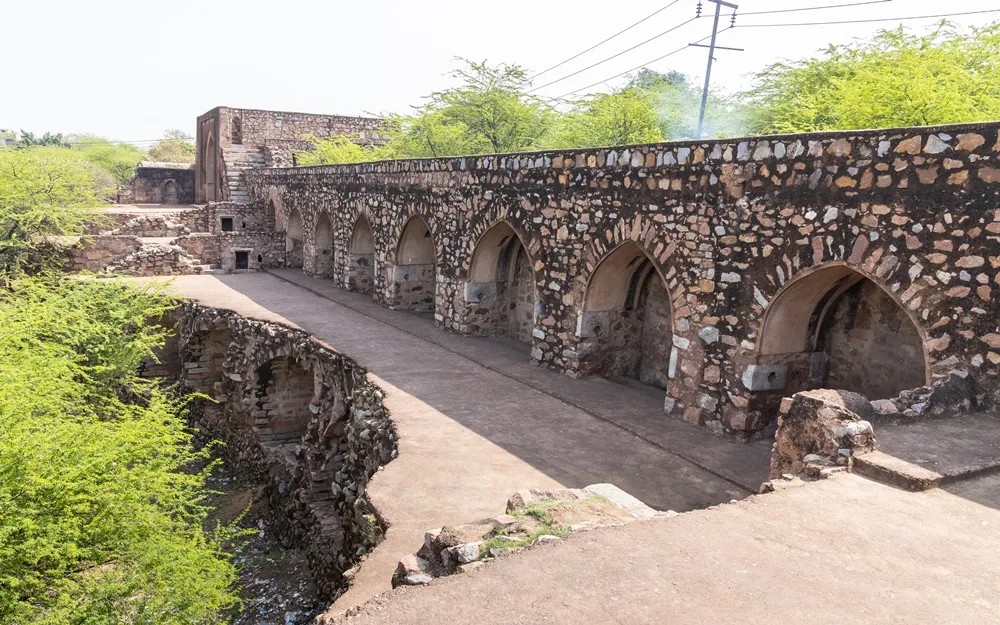
Seven-Arched Bridge
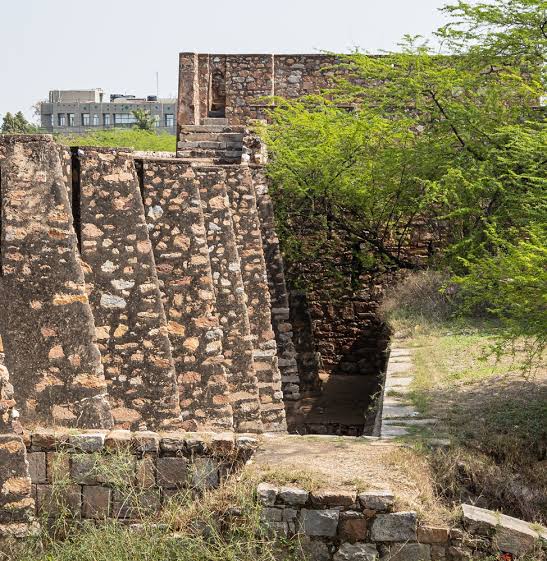
Historic Stone Structure
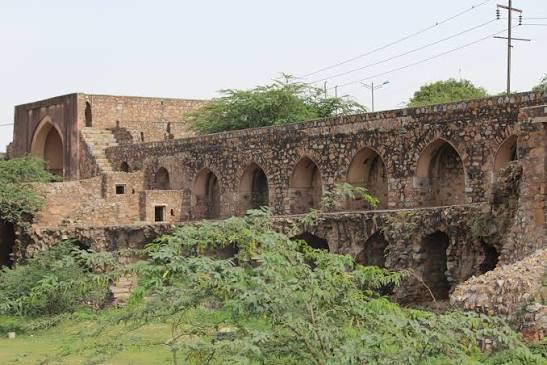
Water Management Design
Scenic Surroundings
Architecture of Satpula Bridge
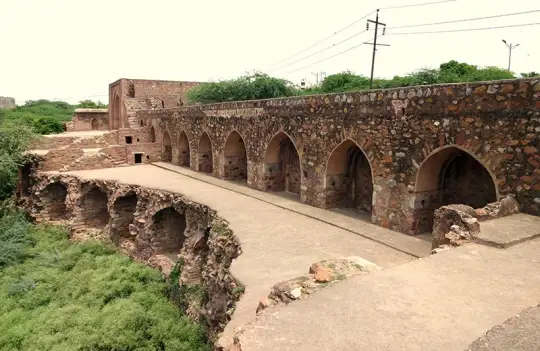
Satpula Bridge is an outstanding example of Tughlaq-era architecture, combining strength, functionality, and simplicity. Unlike ordinary bridges, it was designed as a bridge-cum-dam, showcasing advanced engineering techniques for water conservation and transportation.
Seven-Arched Design
The name “Satpula” means “Seven Bridges,” referring to the bridge’s original seven arches. These arches allowed water to flow while supporting the roadway above.
Bridge-Cum-Dam Structure
The bridge was ingeniously designed to regulate water flow and store rainwater, making it one of the earliest examples of integrated water management in Delhi.
Strong Stone Construction
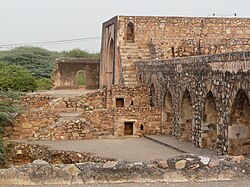
Built using stone blocks and rubble masonry, the structure reflects the durability and practical design principles of Tughlaq architecture.
Defensive Features
The bridge also included small towers and fortified elements, indicating that it served both strategic and functional purposes during the medieval period.
Interesting Facts About Satpula Bridge
Satpula Bridge is one of Delhi’s lesser-known heritage monuments, yet it represents an important achievement in medieval engineering. Its unique design and historical role make it a fascinating destination for history lovers.
- “Satpula” means “Seven Bridges” or “Seven Arches”
- Built during the 14th century by Sultan Muhammad bin Tughlaq
- Served as both a bridge and a water reservoir
- A fine example of Tughlaq-era engineering
- Included defensive features such as small towers
- Protected heritage monument in South Delhi
Nearby Attractions
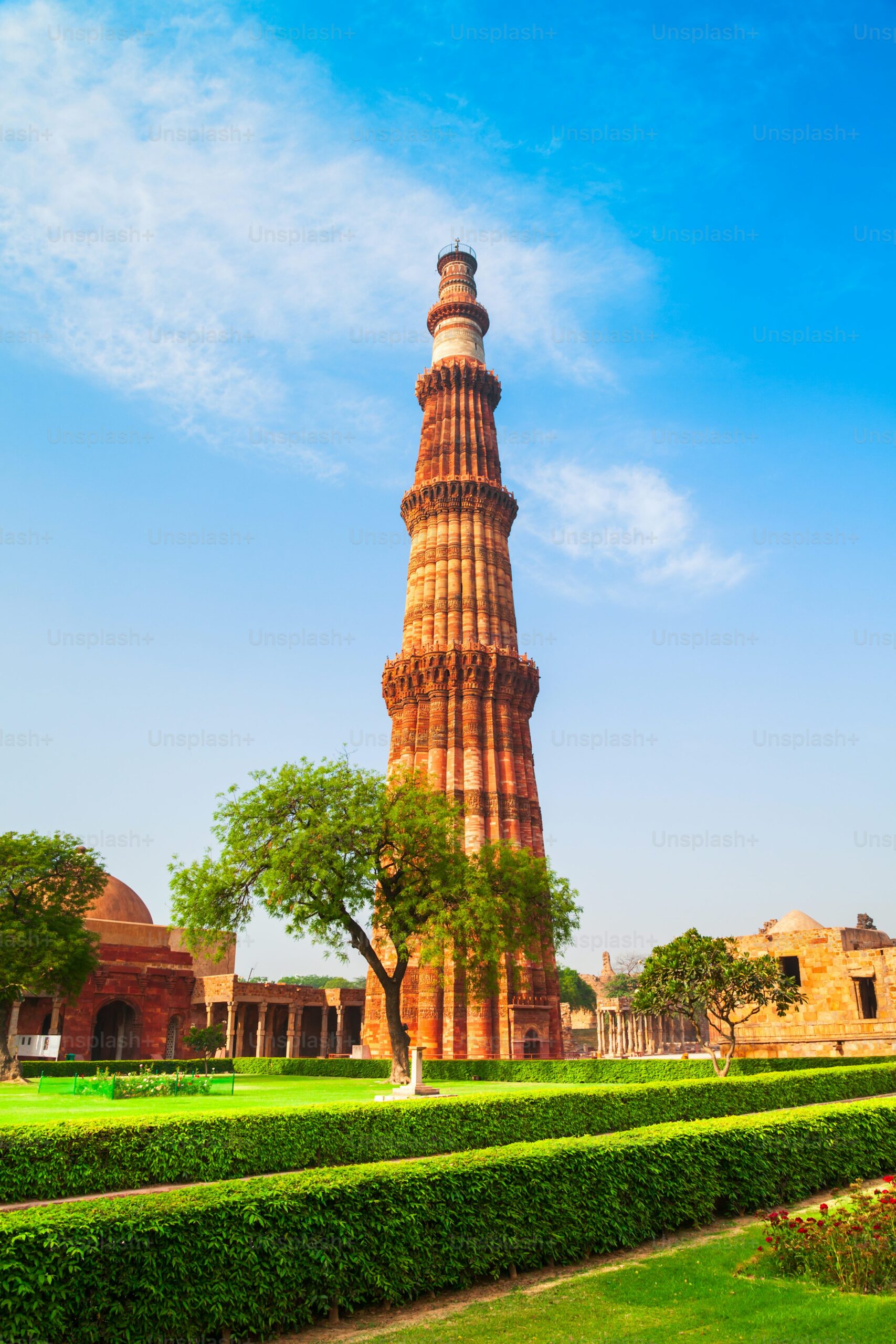
Several notable attractions are located near Satpula Bridge, allowing visitors to explore more of South Delhi’s history, architecture, and cultural heritage.
Qutub Minar
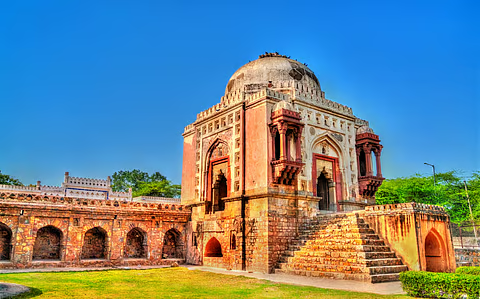
Mehrauli Archaeological Park

Chhatarpur Temple

Garden of Five Senses
Conclusion
Satpula Bridge is a remarkable example of Delhi’s medieval engineering and architectural heritage. Built during the reign of Sultan Muhammad bin Tughlaq, the bridge served as both a crossing and an innovative water management structure. Its historic arches, sturdy stone construction, and unique bridge-cum-dam design reflect the advanced planning of the Tughlaq era. Although less visited than many of Delhi’s famous monuments, Satpula Bridge offers a peaceful and enriching experience for history enthusiasts, architecture lovers, and photographers. A visit to this hidden heritage gem provides valuable insight into the city’s rich past and the ingenuity of its medieval builders.
Explore Delhi
Varanasi Blogs
- Uttar Pradesh Cultural guide
- Places to visit in Varanasi
- Places to visit nearby Varanasi
- India’s most popular destination
- India’s archaeological marvels
Recommended articles
- Uttar Pradesh Cultural guide
- Places to visit in Varanasi
- Places to visit nearby Varanasi
- India’s most popular destination