
¤ 7 minutes Read
Siri Fort
A complete tourist and cultural guide
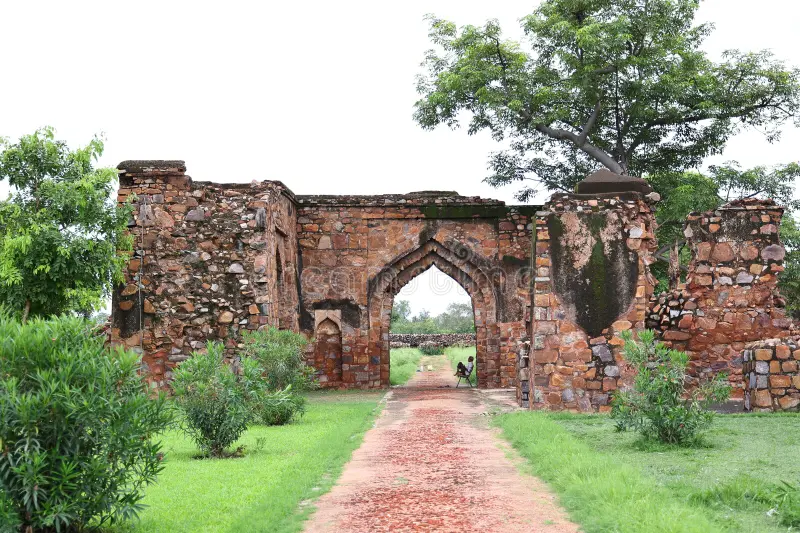
Siri Fort is one of the oldest surviving fortifications in Delhi and an important part of the city’s medieval history. Built in the early 14th century by Alauddin Khalji, it served as the capital of the Delhi Sultanate and was designed to defend the region against repeated Mongol invasions. Although much of the original fort has disappeared over time, its remaining walls and ruins continue to reflect the military strength and architectural style of the Khalji dynasty. Today, Siri Fort stands as a significant historical landmark, offering visitors a glimpse into Delhi’s rich past and the evolution of its ancient cities.
Built By
Alauddin Khalji
Construction Period
Early 14th Century
Historical Role
Capital of the Delhi Sultanate
Purpose
Defense Against Mongol Invasions
City Status
Second Medieval City of Delhi
Dynasty
Khalji Dynasty
Monument Type
Fortified City
Heritage Significance
Medieval Delhi Landmark
History of Siri Fort
Foundation of a New Capital
Siri Fort was established in the early 14th century by Alauddin Khalji. He founded Siri as the second city of Delhi to strengthen his kingdom and improve its defenses.
Capital of the Delhi Sultanate
Siri became the administrative and political center of the Delhi Sultanate. Important government activities, military planning, and royal affairs were conducted within the fortified city.
Decline Over Time
After the Khalji dynasty, the importance of Siri gradually declined as later rulers established new cities and capitals in different parts of Delhi.
Protection Against Mongol Invasions
During Alauddin Khalji’s reign, the Delhi Sultanate faced repeated threats from Mongol forces. Siri Fort was constructed as a heavily fortified military stronghold to protect the capital from these invasions.
Architectural Expansion
The city included palaces, military structures, defensive walls, and public buildings. Contemporary accounts describe Siri as a prosperous and strategically planned urban center.
Surviving Legacy
Although much of the original city has disappeared, sections of the fort walls and ruins still survive, preserving the memory of one of medieval Delhi’s most important settlements.
Architecture of Siri Fort
Siri Fort was designed primarily as a military stronghold, reflecting the strategic needs of the Delhi Sultanate during the reign of Alauddin Khalji. Although much of the original structure has been lost over the centuries, the surviving ruins provide valuable insights into the fortification techniques and architectural style of the Khalji period.
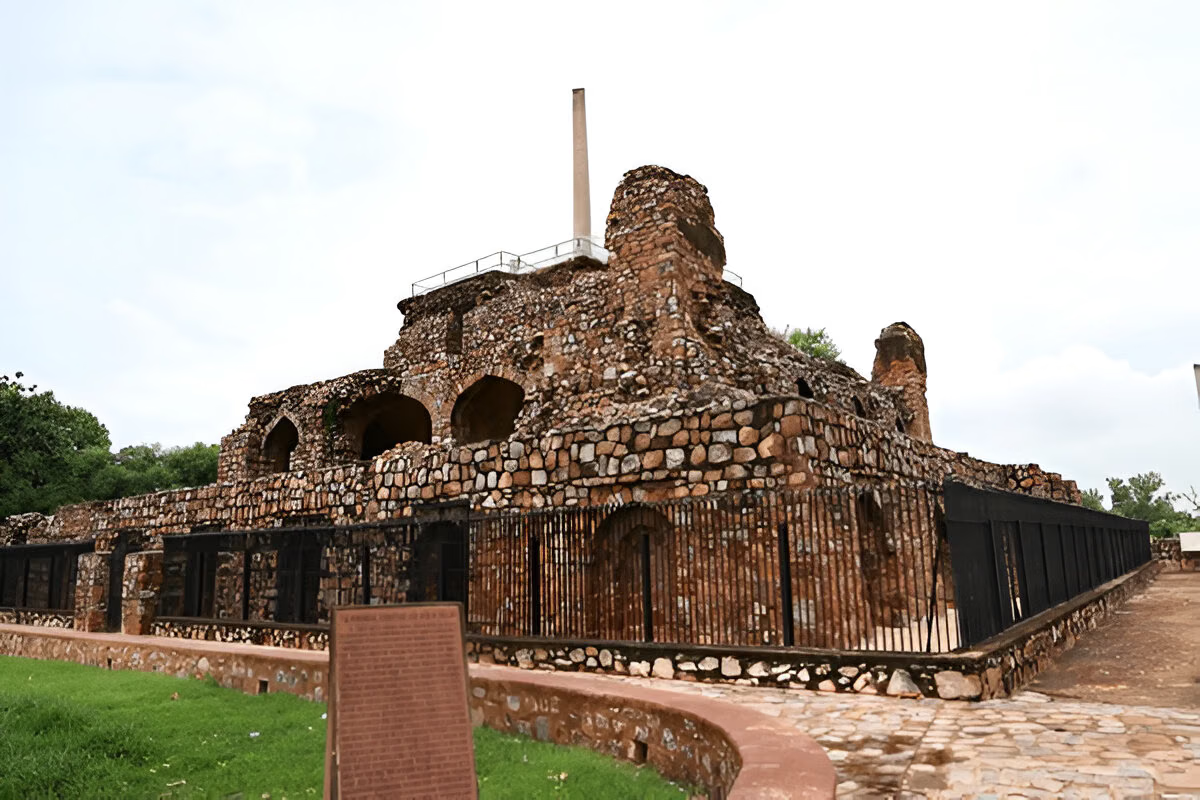
Massive Defensive Walls
The fort was surrounded by thick stone walls built to withstand attacks and protect the capital from invading forces. These fortifications formed one of the strongest defensive systems of medieval Delhi.
Strategic Military Design
Unlike pleasure palaces or ceremonial complexes, Siri Fort was constructed with defense as its primary objective. Its layout was carefully planned to support military operations and surveillance.
Rubble Masonry Construction
The fort was built mainly using locally available stone and rubble masonry, a common construction technique of the Delhi Sultanate period that provided strength and durability.
Fortified City Layout
Siri was not merely a fort but an entire fortified city that included administrative buildings, military barracks, residential areas, and royal structures within its walls.
Gates and Watchpoints
The fort likely featured guarded gateways and watchtowers that helped monitor movement and secure the city against potential threats.
Surviving Ruins
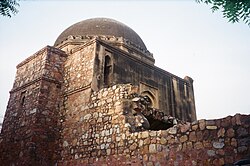
Today, portions of the original walls and fortifications remain visible, offering visitors a glimpse into the architectural and military ingenuity of the Khalji dynasty.
Things to See at Siri Fort
Although much of the original fortified city has disappeared over time, Siri Fort still offers several historical features that help visitors understand its importance during the Delhi Sultanate period. The surviving remains provide a fascinating glimpse into one of Delhi’s earliest medieval cities.
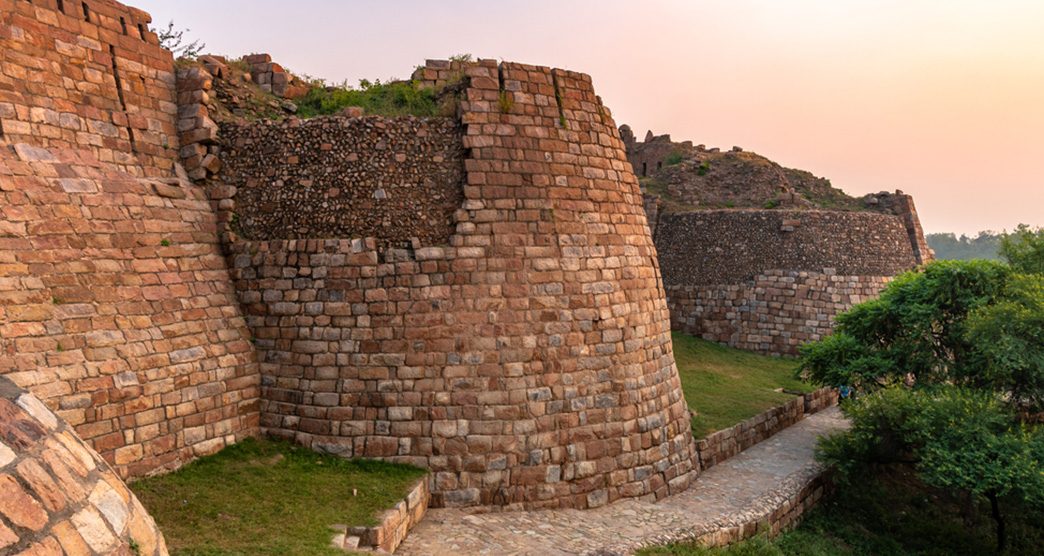
Fort Walls
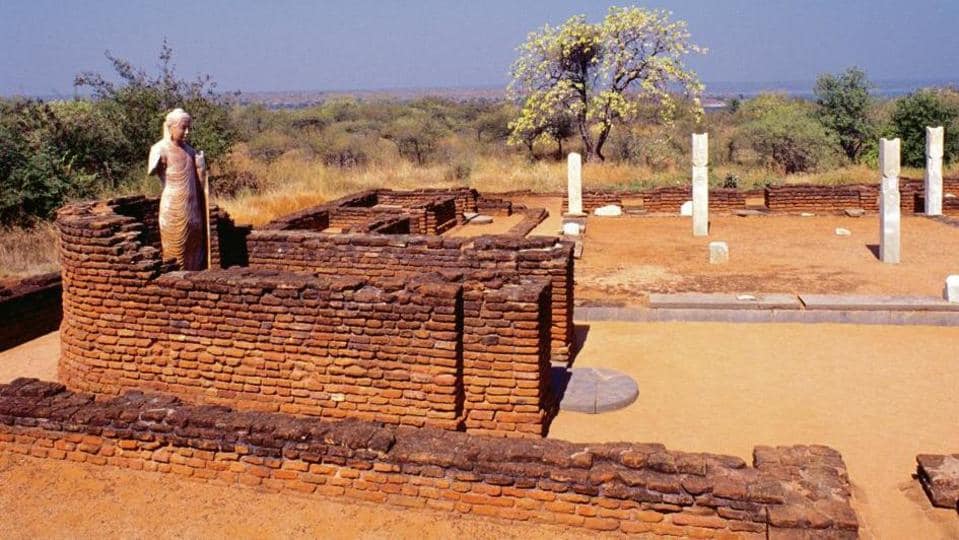
Ancient Ruins

Historic Stonework

Scenic Heritage Walks
Interesting Facts About Siri Fort
Siri Fort holds a special place in Delhi’s history as one of the city’s earliest medieval settlements. Despite the passage of centuries, the fort continues to intrigue historians and visitors with its military significance and fascinating past.
- Delhi’s Second Historic City
- Built by Alauddin Khalji
- Created to Resist Mongol Attacks
- Once Served as a Capital
- Part of Delhi’s Historic Seven Cities
- Known for Strong Defenses
- Much of the Original City Has Disappeared
- Important Archaeological Site
Nearby Attractions Around Siri Fort
Siri Fort is located in South Delhi and is surrounded by several historical monuments, cultural centers, and recreational attractions. Visitors can easily combine these destinations with a visit to Siri Fort for a more enriching sightseeing experience.
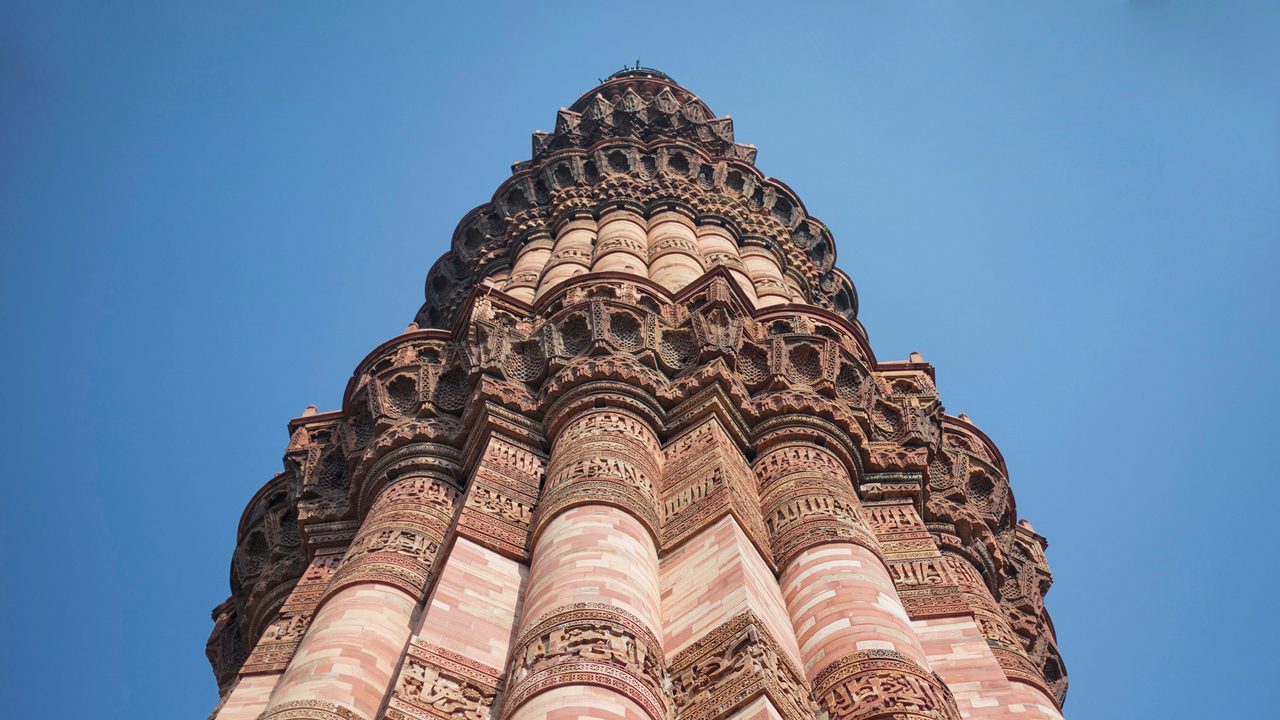
Qutub Minar

Lotus Temple

Garden of Five Senses

Deer Park
Conclusion
Siri Fort stands as an important reminder of Delhi’s medieval past and the military strength of the Khalji dynasty. Built by Alauddin Khalji to defend the capital against Mongol invasions, the fort once served as the heart of a thriving fortified city. Although only fragments of the original structure survive today, its ancient walls and ruins continue to reflect the architectural and historical significance of the Delhi Sultanate. Whether you are a history enthusiast, archaeology lover, or curious traveler, Siri Fort offers a fascinating journey into one of the earliest chapters of Delhi’s rich heritage.
Explore Delhi
Varanasi Blogs
- Uttar Pradesh Cultural guide
- Places to visit in Varanasi
- Places to visit nearby Varanasi
- India’s most popular destination
- India’s archaeological marvels
Recommended articles
- Uttar Pradesh Cultural guide
- Places to visit in Varanasi
- Places to visit nearby Varanasi
- India’s most popular destination