
¤ 7 minutes Read
Swaminarayan Akshardham
A complete tourist and cultural guide
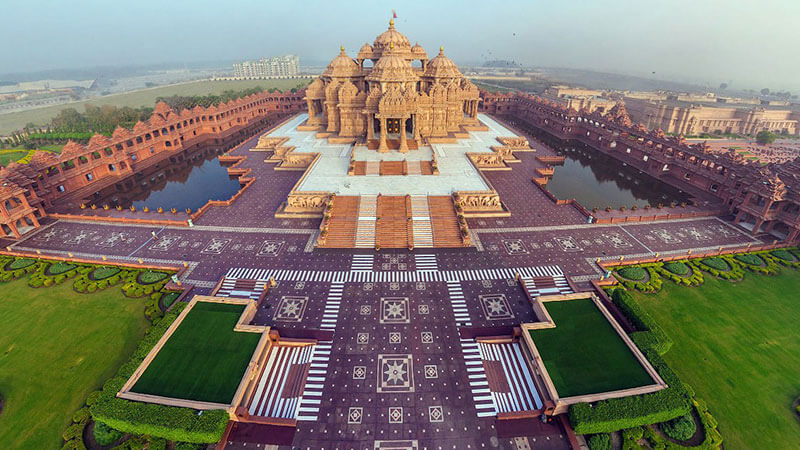
Swaminarayan Akshardham is one of Delhi’s most iconic cultural and spiritual landmarks. Dedicated to Bhagwan Swaminarayan, the temple is renowned for its magnificent architecture, intricate stone carvings, and peaceful atmosphere. Spread across a vast complex on the banks of the Yamuna River, it showcases India’s rich spiritual traditions, art, and heritage. Inaugurated in 2005, Akshardham features beautifully crafted monuments, exhibition halls, landscaped gardens, and the famous Sahaj Anand Water Show. Visitors can admire the temple’s stunning craftsmanship, explore interactive cultural exhibits, and experience the serene surroundings.
Inaugurated
2005
Dedicated To
Bhagwan Swaminarayan
Built By
BAPS Swaminarayan Sanstha
Inspired By
Pramukh Swami Maharaj
History of Swaminarayan Akshardham
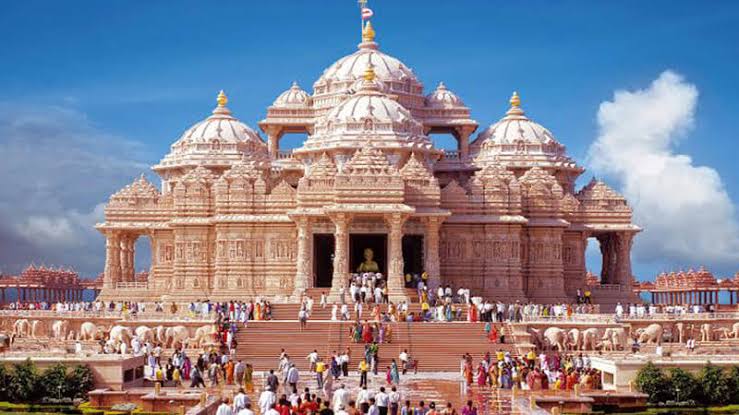
Swaminarayan Akshardham is a modern Hindu temple complex built to celebrate India’s spiritual heritage, culture, and timeless values. Dedicated to Bhagwan Swaminarayan, the temple was conceived by His Holiness Pramukh Swami Maharaj and developed by the BAPS Swaminarayan Sanstha. Since its inauguration in 2005, it has become one of Delhi’s most visited cultural and religious landmarks.
Vision Behind the Temple
The Akshardham complex was created to preserve and promote India’s ancient traditions, spiritual teachings, and cultural heritage through architecture, exhibitions, and educational experiences.
Construction of the Complex
Thousands of artisans and volunteers contributed to the construction of the temple using traditional craftsmanship and intricate stone carvings, without the use of structural steel in the main monument.
A Symbol of Indian Culture
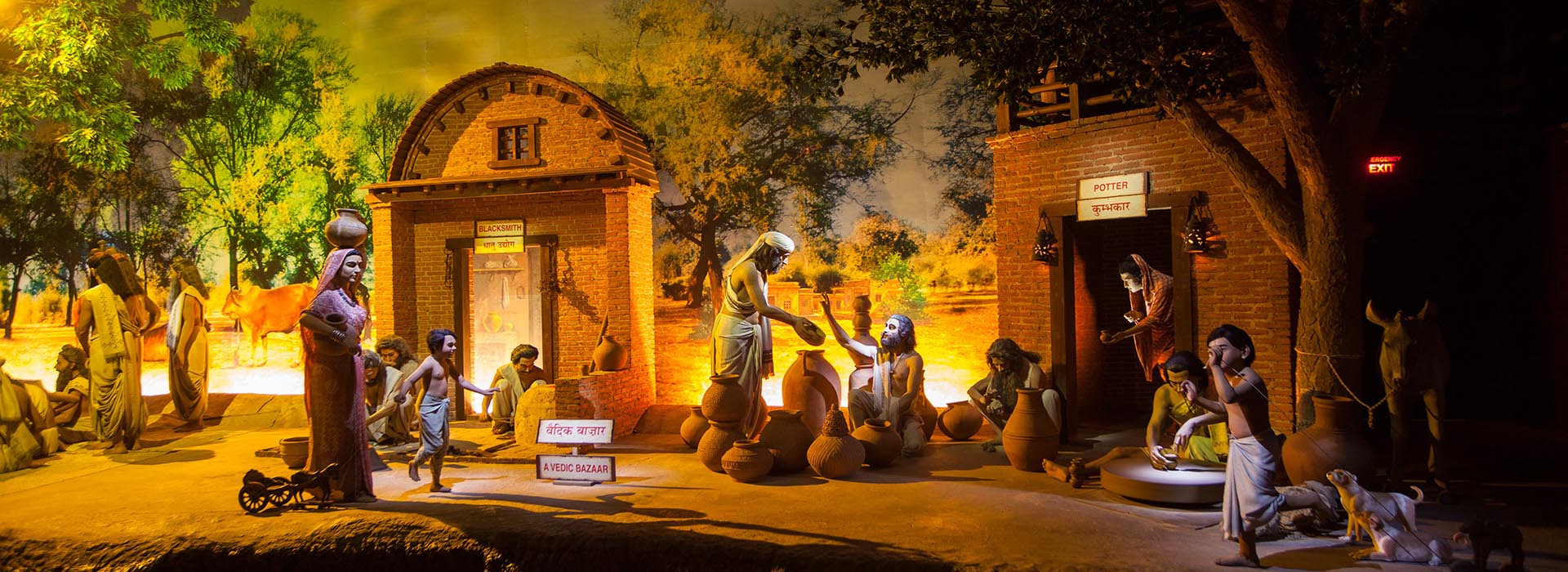
Beyond being a place of worship, Akshardham serves as a cultural center where visitors can learn about Indian history, philosophy, art, and values through interactive exhibits and performances.
A Global Landmark
Today, Swaminarayan Akshardham is recognized as one of the finest examples of modern temple architecture and attracts millions of visitors from India and around the world each year.
Architecture of Swaminarayan Akshardham
Magnificent Main Monument
The central temple is adorned with thousands of hand-carved sculptures depicting deities, sages, musicians, dancers, animals, and floral motifs. Every detail reflects the richness of Indian craftsmanship.
Domes and Ornate Pillars
The monument features beautifully carved domes, ornate ceilings, and hundreds of intricately sculpted pillars that display remarkable artistic precision.
Traditional Stone Construction
The temple was constructed using pink sandstone from Rajasthan and white marble from Italy, following traditional temple-building techniques without the use of structural steel in the main monument.
Gajendra Pith
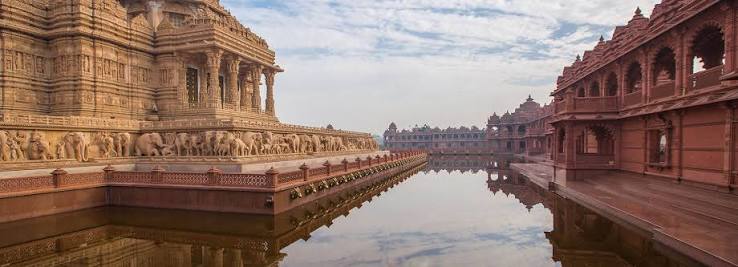
Surrounding the temple base is the Gajendra Pith, an impressive plinth featuring beautifully carved sculptures of elephants that symbolize strength, wisdom, harmony, and humanity’s relationship with nature.
Gardens and Sacred Water Bodies
The temple complex includes beautifully landscaped gardens, the sacred Narayan Sarovar, and the grand Yagnapurush Kund, one of India’s largest stepwells, enhancing both the architectural beauty and spiritual atmosphere of the site.
Things to See at Swaminarayan Akshardham
Swaminarayan Akshardham offers a wide range of attractions that showcase India’s spiritual, cultural, and architectural heritage. From the magnificent temple to immersive exhibitions and beautiful gardens, every part of the complex provides a memorable experience.
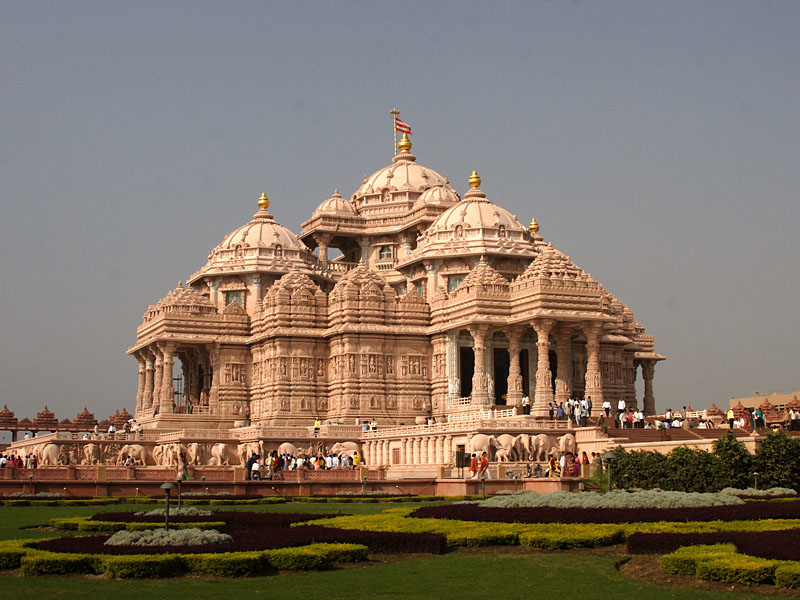
Main Akshardham Monument
Sahaj Anand Water Show
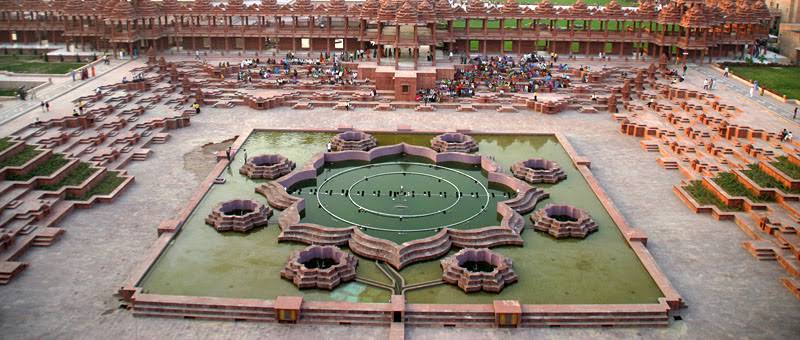
Yagnapurush Kund

Narayan Sarovar
Interesting Facts About Swaminarayan Akshardham
Swaminarayan Akshardham is one of India’s most remarkable cultural and spiritual landmarks. Its grand architecture, intricate craftsmanship, and educational attractions make it one of the most visited destinations in Delhi.
- Inaugurated in 2005 by BAPS Swaminarayan Sanstha
- Dedicated to Bhagwan Swaminarayan
- Built using pink sandstone and white marble
- Features thousands of hand-carved sculptures
- Home to the famous Sahaj Anand Water Show
- Attracts millions of visitors from around the world each year
Architectural Features of Hijron Ka Khanqah
Modest Yet Historic Design
Hijron Ka Khanqah reflects the simple architectural style commonly seen in several structures from the Delhi Sultanate period. Unlike grand forts and palaces, the monument was designed for practical and spiritual purposes rather than royal display.
Stone Masonry Construction
Hijron Ka Khanqah reflects the simple architectural style commonly seen in several structures from the Delhi Sultanate period. Unlike grand forts and palaces, the monument was designed for practical and spiritual purposes rather than royal display.
Arched Openings
One of the notable architectural elements of the monument is the use of arches, a characteristic feature of medieval Islamic architecture in Delhi. These arches add both structural strength and visual appeal to the building.
Connection to Khanqah Architecture
As a khanqah, the monument likely served as a place for residence, spiritual gatherings, and community interaction. Therefore, its layout would have focused on functionality and accessibility rather than elaborate decoration.
Integration with Mehrauli Heritage Zone
The monument forms part of the larger historical landscape of Mehrauli, where tombs, mosques, stepwells, and other medieval structures coexist. This connection enhances its historical and cultural significance.
Preserved Historical Character
Although relatively simple in appearance, the monument retains much of its original character. Visitors can still observe architectural elements that provide insight into the social and cultural life of medieval Delhi.
Nearby Attractions
Several popular attractions are located near Swaminarayan Akshardham, allowing visitors to explore more of Delhi’s cultural, historical, and recreational landmarks.
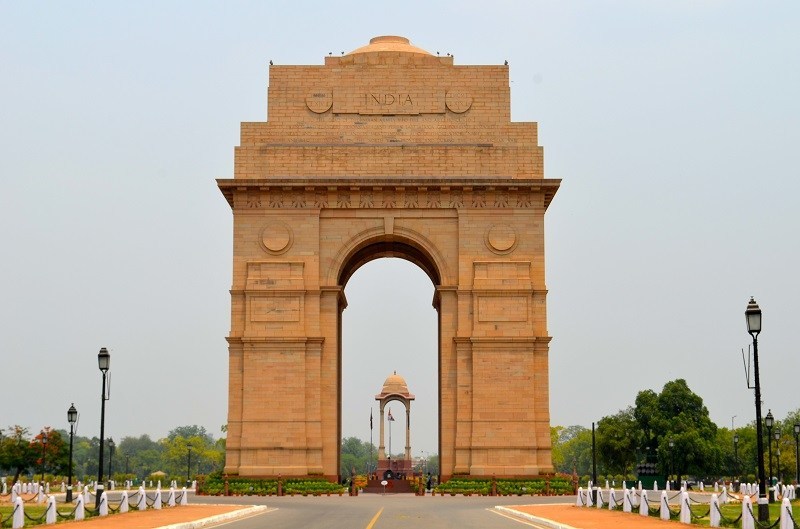
India Gate
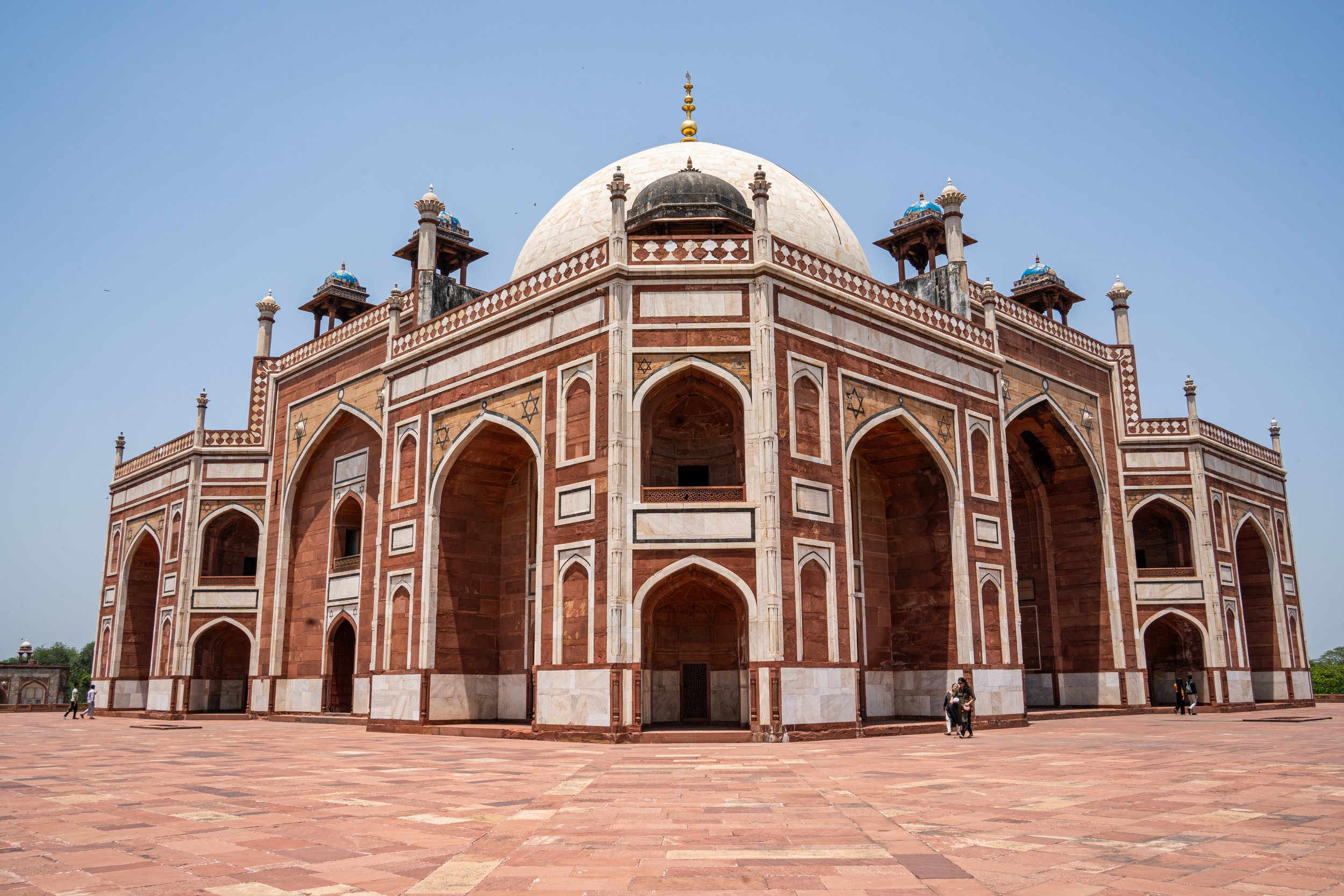
Humayun's Tomb
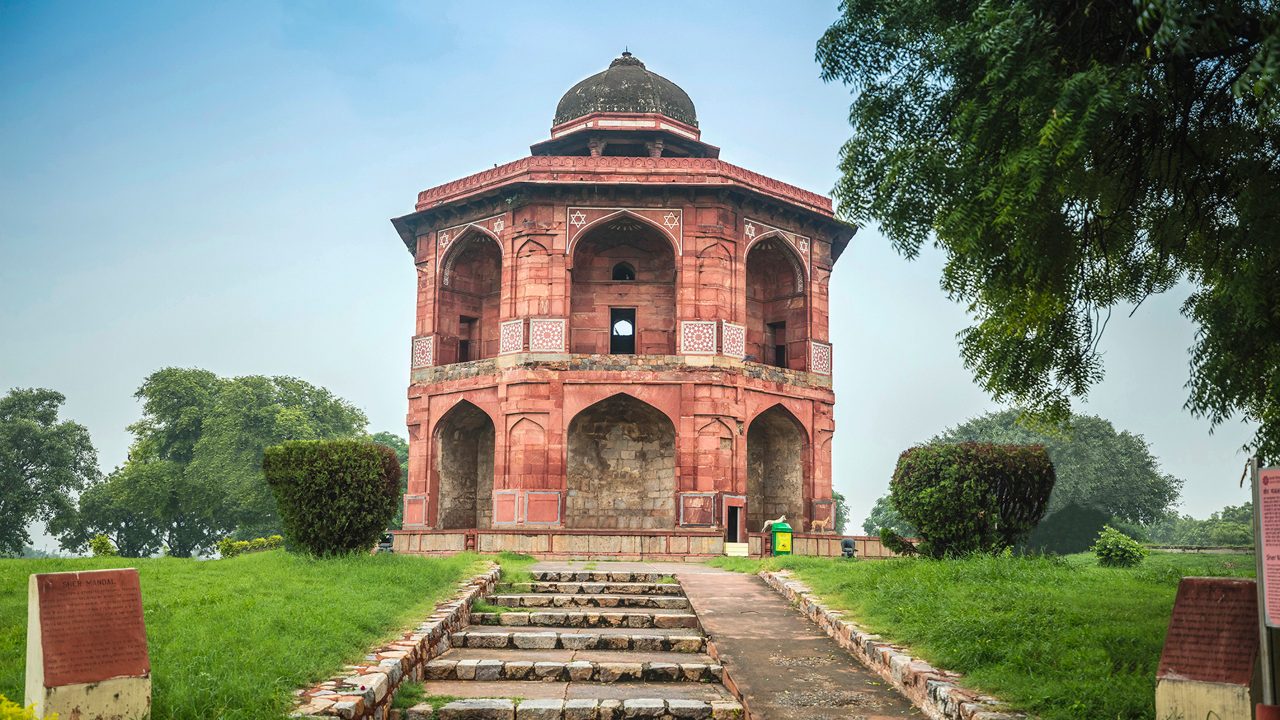
Purana Qila
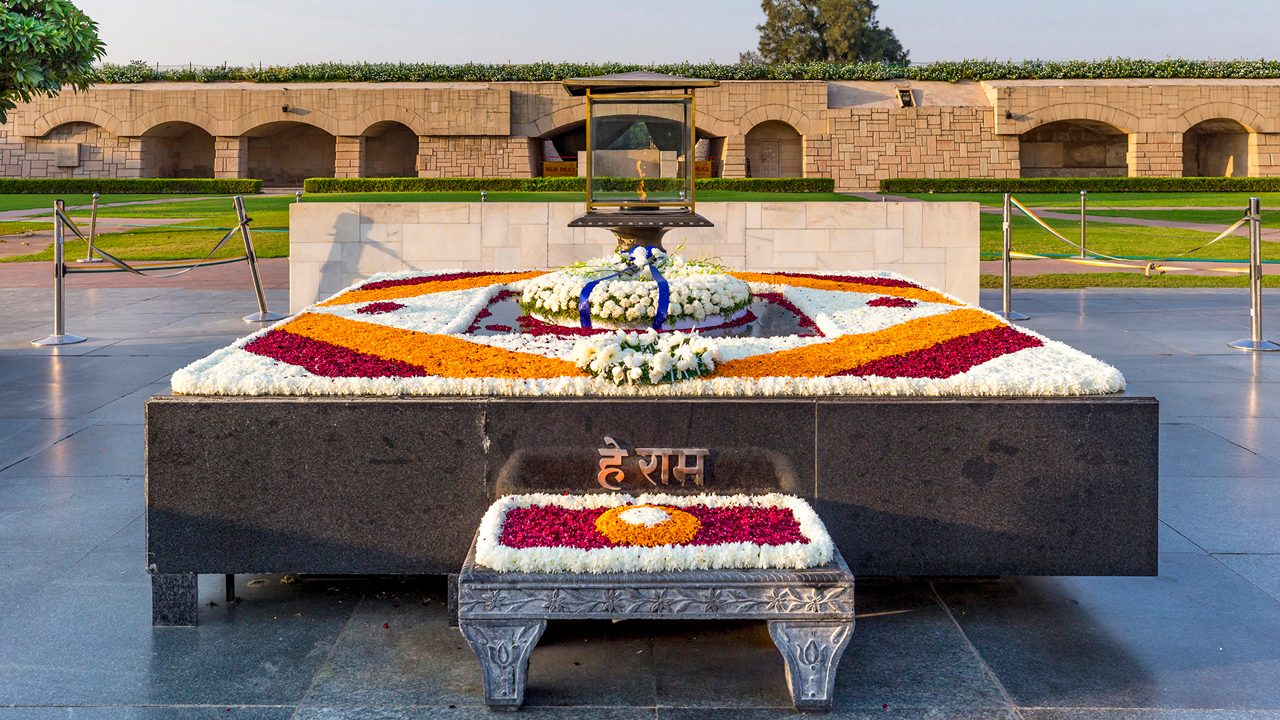
Raj Ghat
Conclusion
Swaminarayan Akshardham is one of Delhi’s most remarkable spiritual and cultural landmarks, offering a perfect blend of devotion, architecture, and Indian heritage. Its magnificent temple, intricate stone carvings, immersive exhibitions, beautiful gardens, and spectacular Sahaj Anand Water Show create an unforgettable experience for visitors of all ages. Beyond being a place of worship, Akshardham serves as a celebration of India’s timeless traditions, art, and values. Whether you are seeking spiritual peace, architectural beauty, or cultural knowledge, a visit to Swaminarayan Akshardham promises a memorable journey into the heart of India’s rich heritage.
Explore Delhi
Varanasi Blogs
- Uttar Pradesh Cultural guide
- Places to visit in Varanasi
- Places to visit nearby Varanasi
- India’s most popular destination
- India’s archaeological marvels
Recommended articles
- Uttar Pradesh Cultural guide
- Places to visit in Varanasi
- Places to visit nearby Varanasi
- India’s most popular destination